🏬Supersize Online Funeral Retailer🪦1000's of Headstones⚱️Over 15,000 Cremation Urns⚰️Caskets Overnight Delivery🛒Funeral & Memorial Superstore🚚FREE Shipping on ALL Orders👨👩👧👦Helping Families for over 20 Years💰Lowest Price Guarantee🏬Supersize Online Funeral Retailer🪦1000's of Headstones⚱️Over 15,000 Cremation Urns⚰️Caskets Overnight Delivery🛒Funeral & Memorial Superstore🚚FREE Shipping on ALL Orders👨👩👧👦Helping Families for over 20 Years💰Lowest Price Guarantee
🏬Supersize Online Funeral Retailer🪦1000's of Headstones⚱️Over 15,000 Cremation Urns⚰️Caskets Overnight Delivery🛒Funeral & Memorial Superstore🚚FREE Shipping on ALL Orders👨👩👧👦Helping Families for over 20 Years💰Lowest Price Guarantee🏬Supersize Online Funeral Retailer🪦1000's of Headstones⚱️Over 15,000 Cremation Urns⚰️Caskets Overnight Delivery🛒Funeral & Memorial Superstore🚚FREE Shipping on ALL Orders👨👩👧👦Helping Families for over 20 Years💰Lowest Price Guarantee
When the time comes to place a permanent memorial at a loved one's gravesite, the headstone installation process can feel unfamiliar. Most families go through it only once or twice in a lifetime, and the steps involved — from cemetery approval to foundation work to final placement — are rarely discussed outside the funeral industry. This guide walks through every stage so you know what to expect, what it costs, and how long the process takes from order to completed memorial.
If you are still in the early stages of choosing and ordering a headstone, start there first. This article picks up where the buying decision ends: once you have selected your memorial, here is how it gets set in the ground.
Nearly every commercial cemetery in the United States requires written approval before a headstone can be installed. Even if you own the burial plot outright, the deed you signed almost certainly includes an agreement to follow the cemetery's rules — including monument specifications. Those rules can change between the date of purchase and the date you request installation, so verifying current requirements is always the first step.
Before your order moves into production, you or your monument provider will need to confirm three things with the cemetery: the maximum dimensions allowed for the memorial, the type of materials accepted (granite, bronze, or both), and any design restrictions such as required religious symbols or flush-only sections. Some cemeteries also require a drawing or design proof before giving final approval. Understanding these cemetery regulations for markers early prevents delays and rejected orders.
At Memorials.com, we contact the cemetery directly as part of every order. We verify regulations, confirm the headstone meets all size and material requirements, and obtain approval before the memorial goes into production. This cemetery verification step is included at no extra charge.
Browse Our Most Popular Headstones & Grave Markers
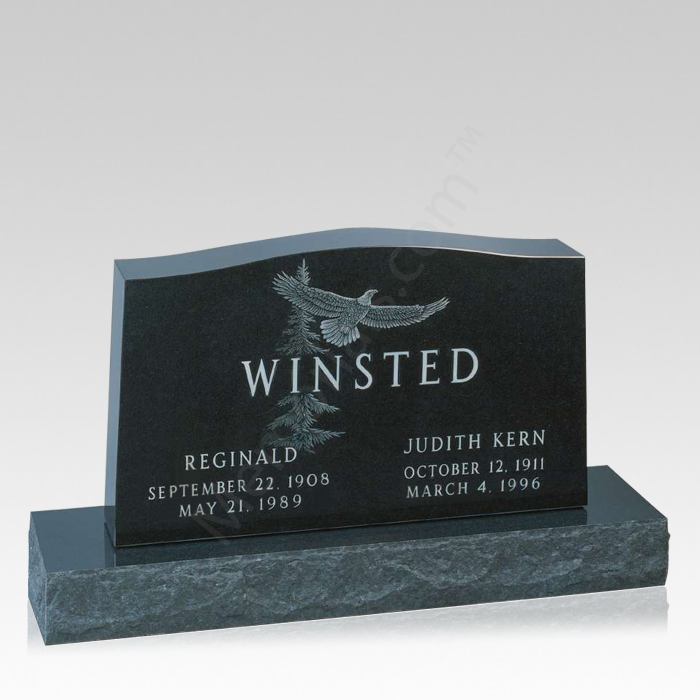
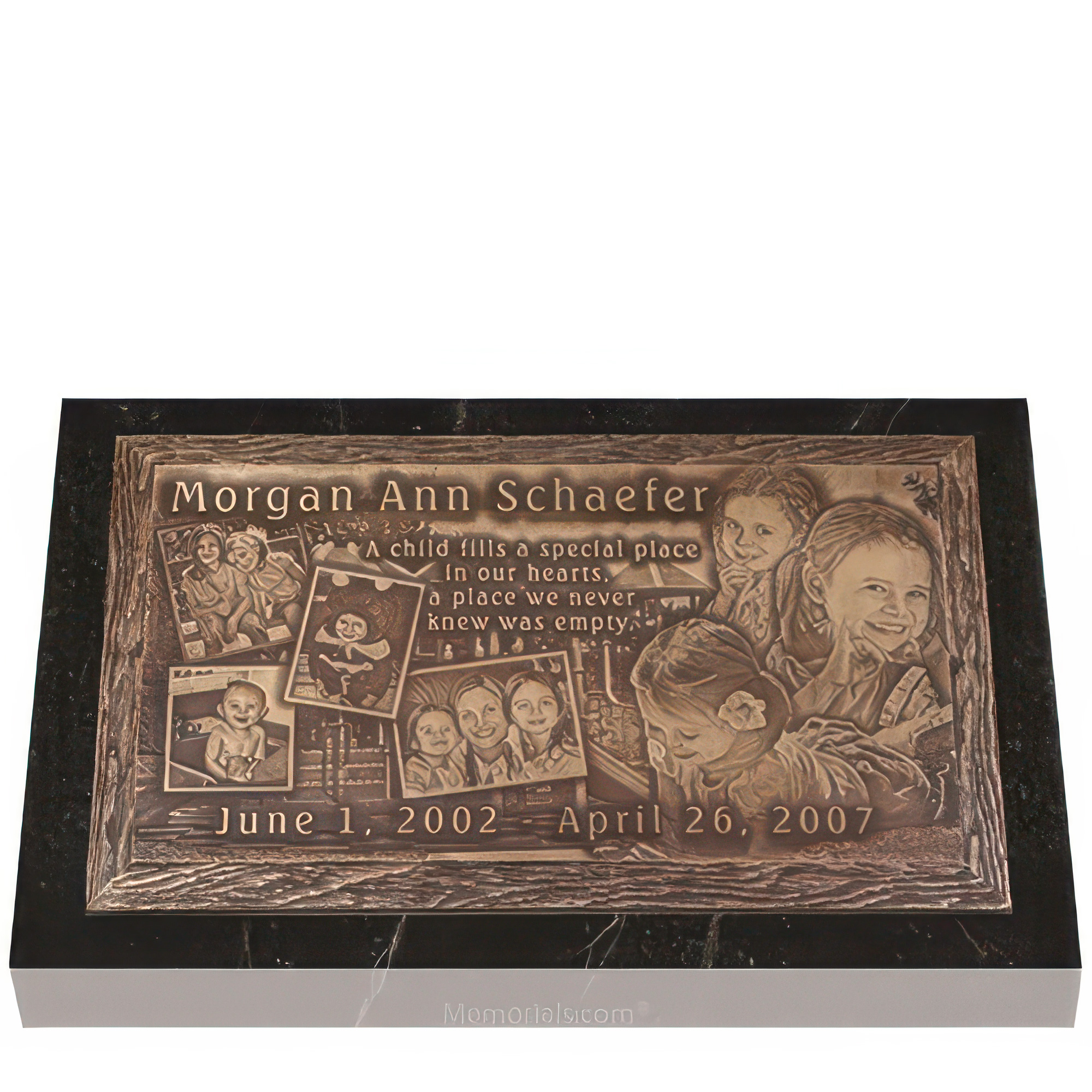
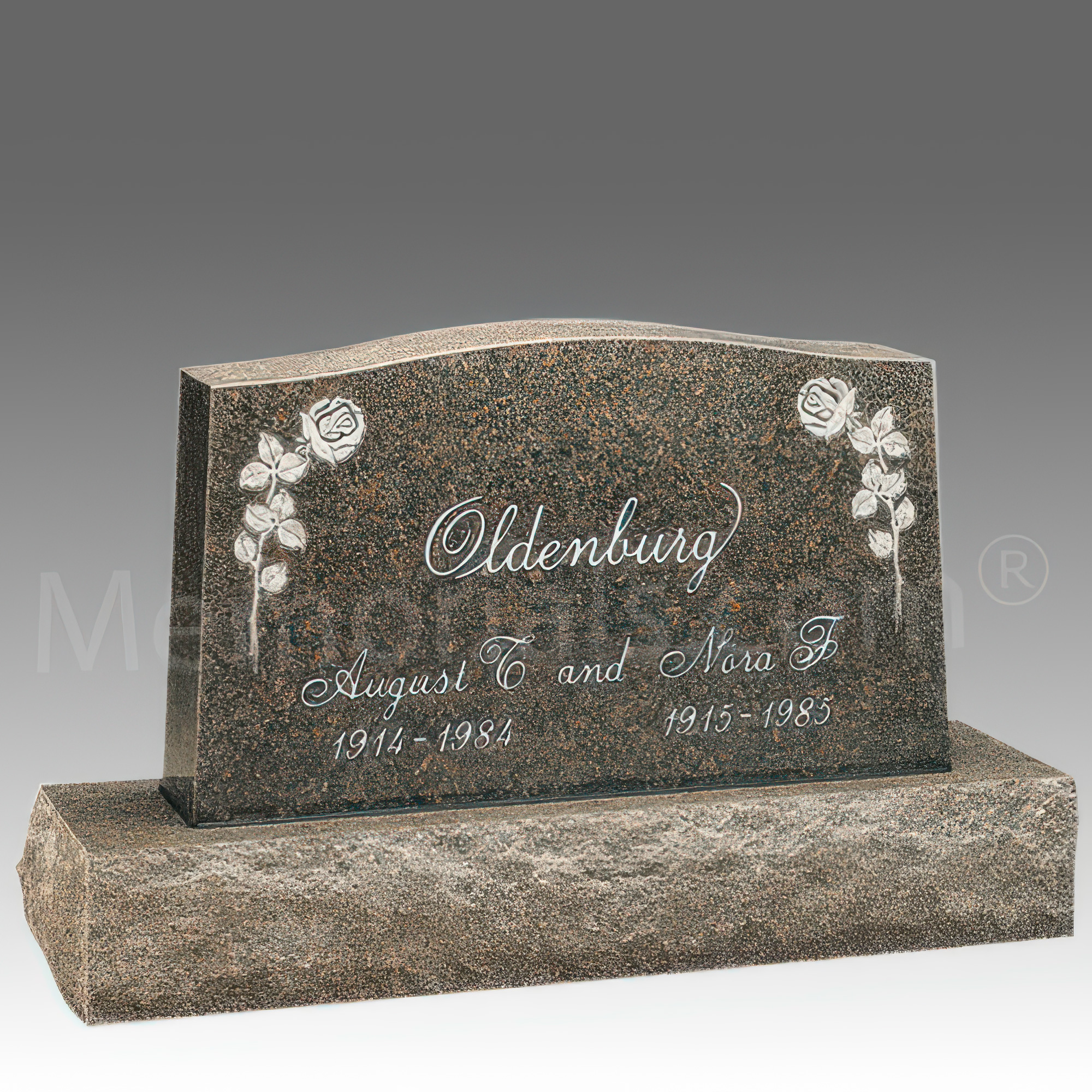
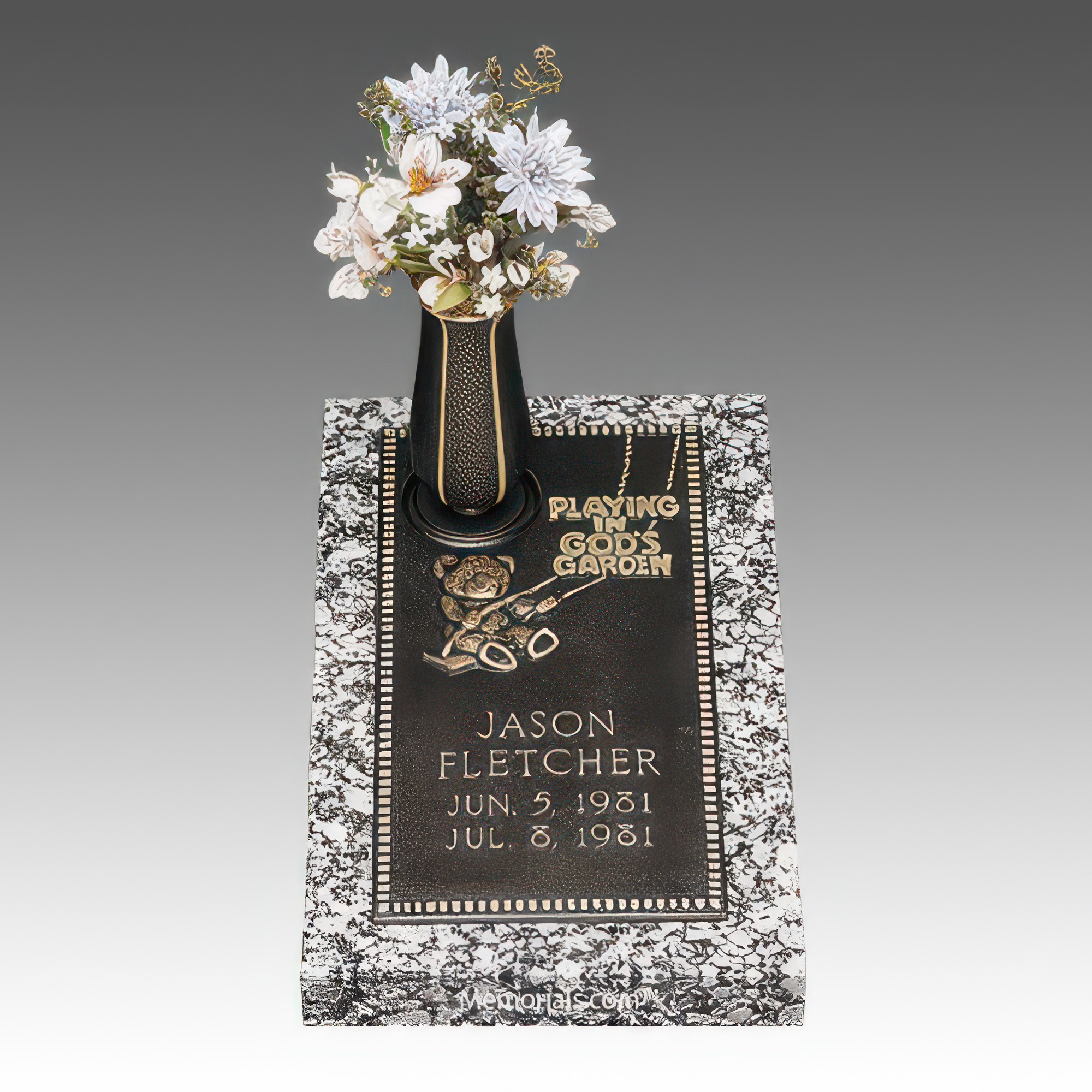
Handcrafted memorials to honor your loved one for eternity
In most commercial cemeteries, the cemetery's own grounds crew handles headstone installation. The cemetery charges a setting fee for this service, and outside installers are typically not permitted unless the cemetery specifically allows it. This is worth asking about early in the process.
Private, rural, or church-managed cemeteries work differently. These locations may not have dedicated installation staff. In that case, you would hire an independent monument installer — a contractor who specializes in setting headstones and cemetery products. Your monument dealer, funeral director, or cemetery caretaker can usually recommend someone local.
On rare occasions, particularly in remote areas, hiring a professional may not be practical. In those situations, families sometimes handle the installation themselves. Self-installation requires proper tools, a level concrete foundation, and at least two to three helpers to safely handle the weight. We cover the details of DIY installation later in this article.
How Headstones Are Installed: The Physical Process
The installation method depends on the style of memorial. A flat grave marker is set differently from a large upright monument, and the foundation requirements reflect that difference.
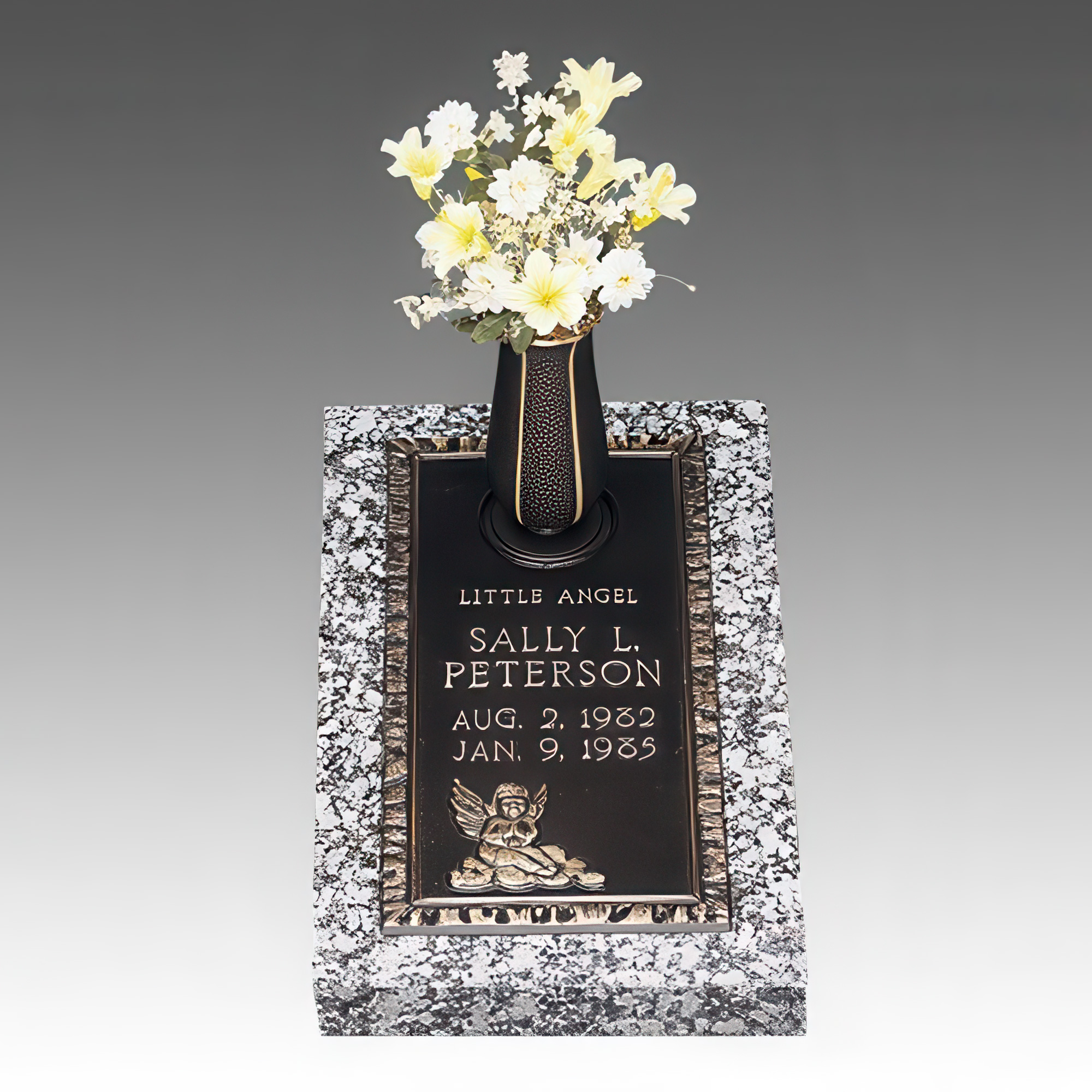
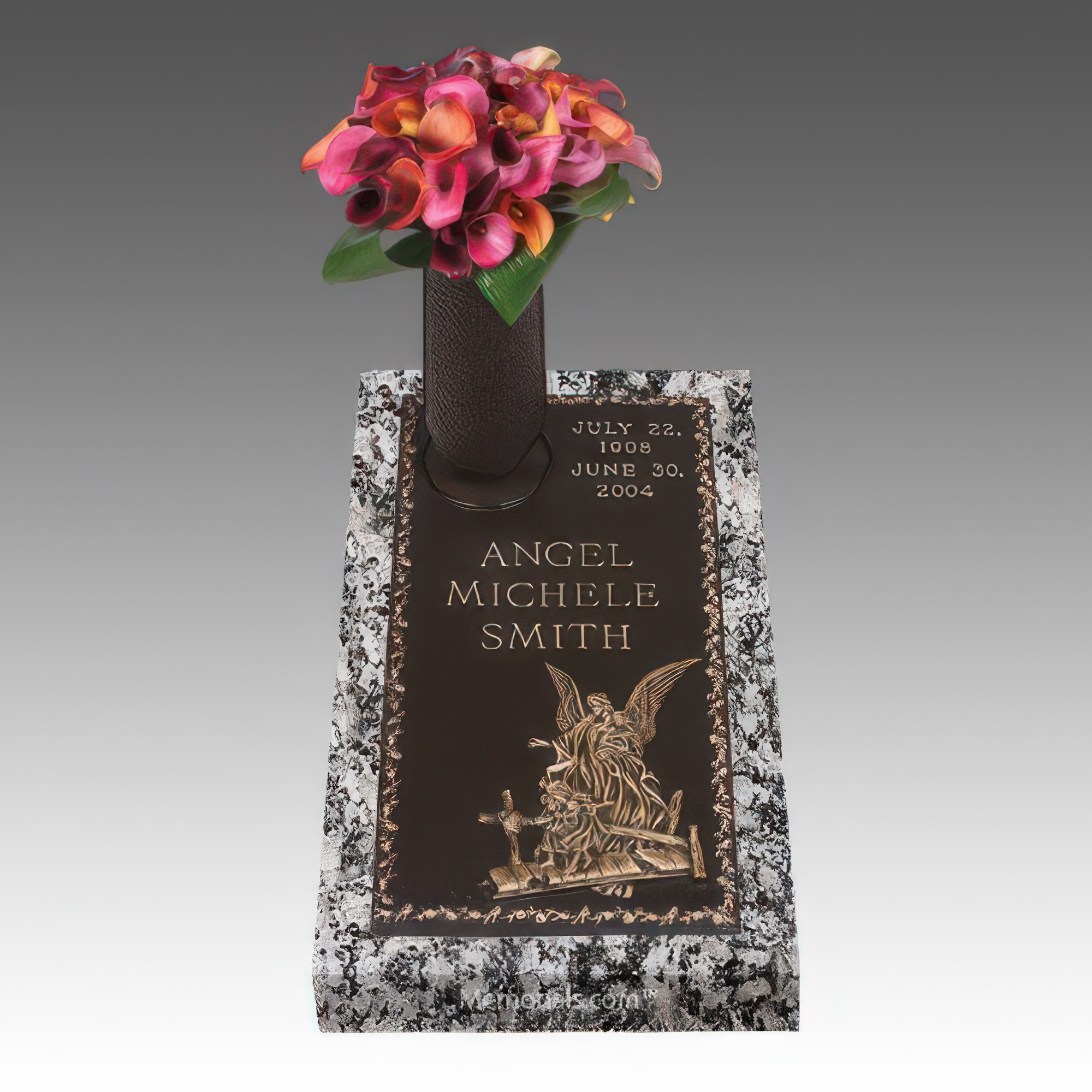
Flat Grave Markers
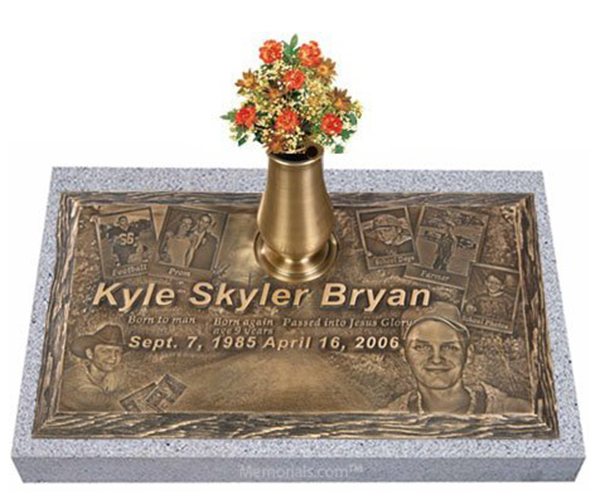
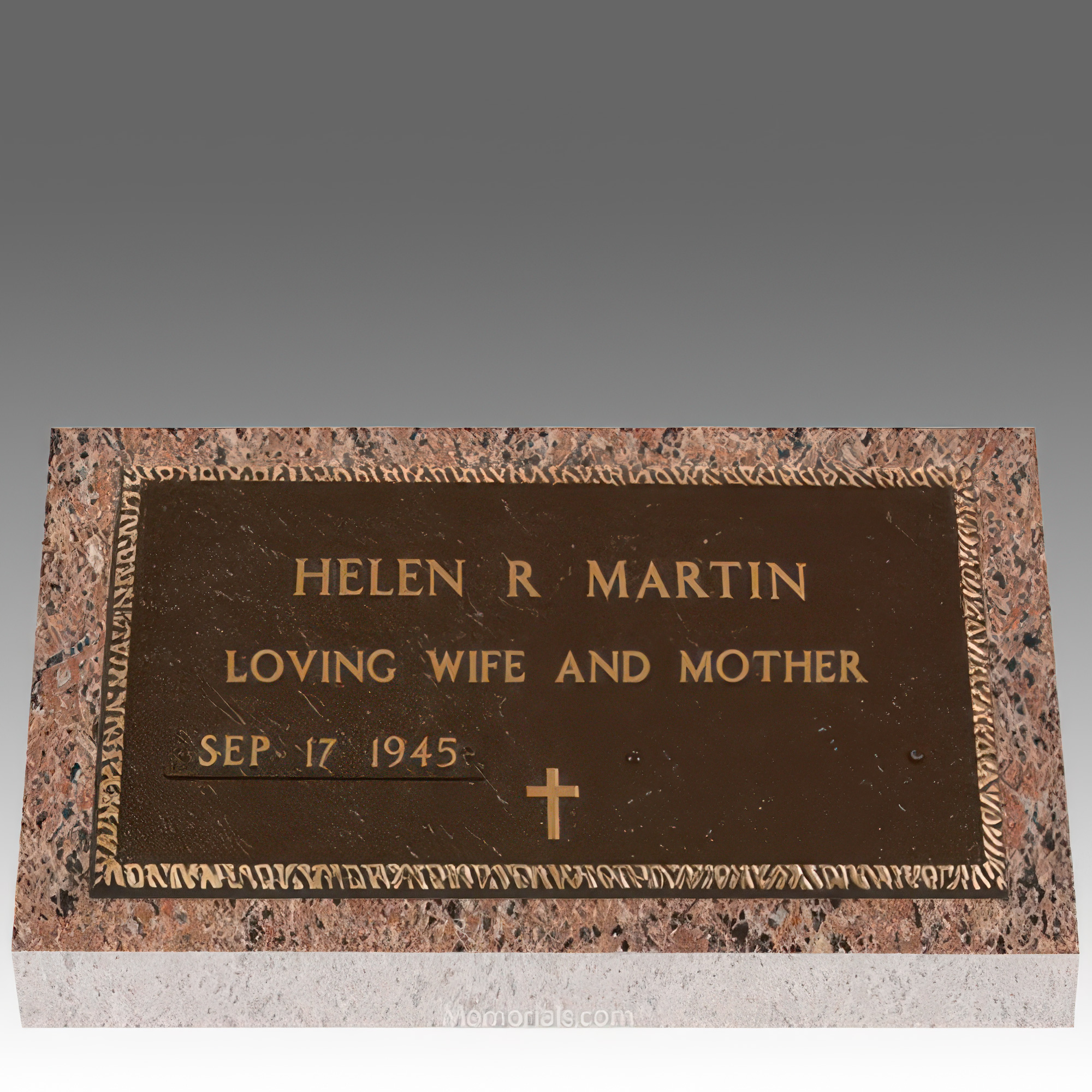
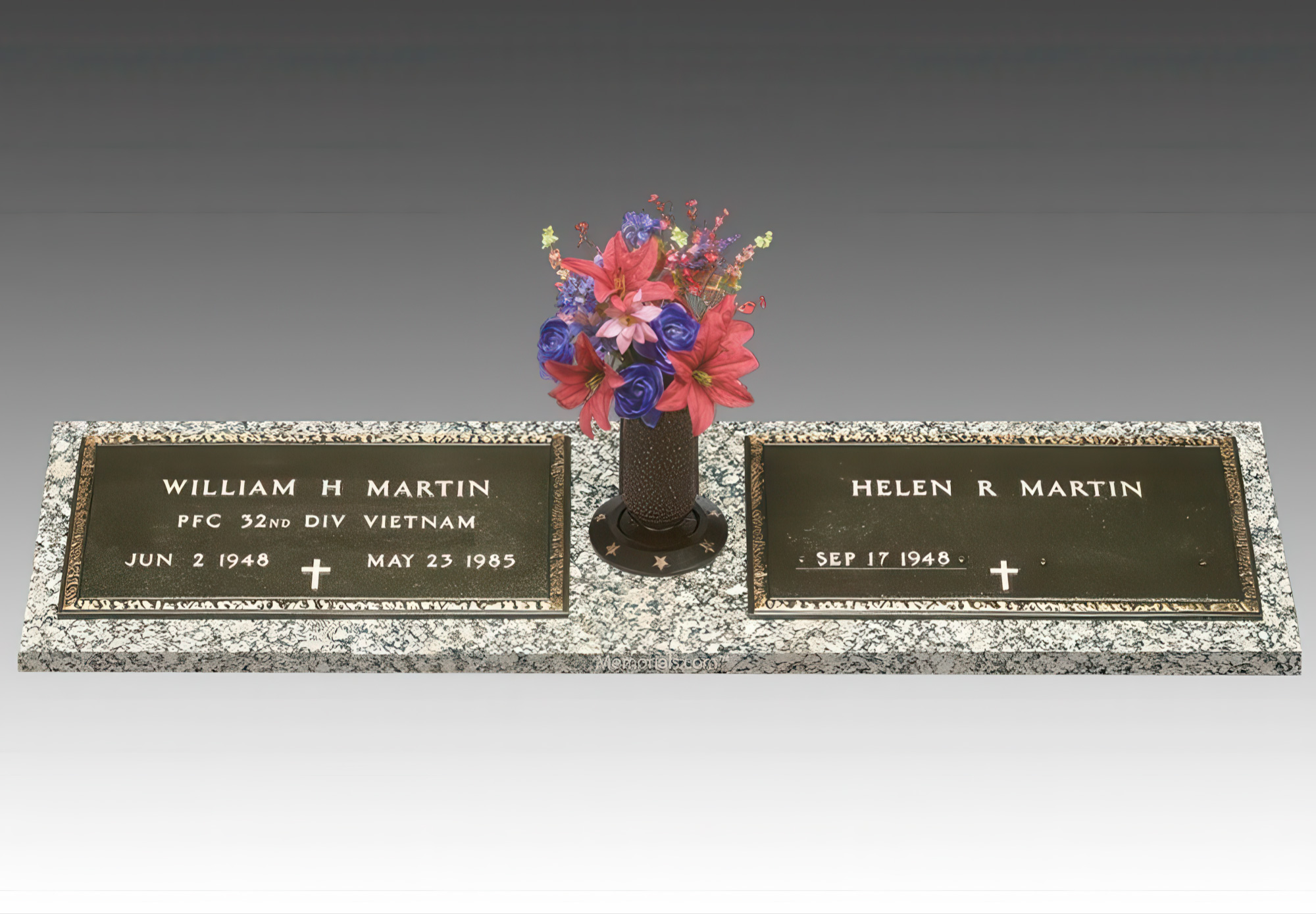
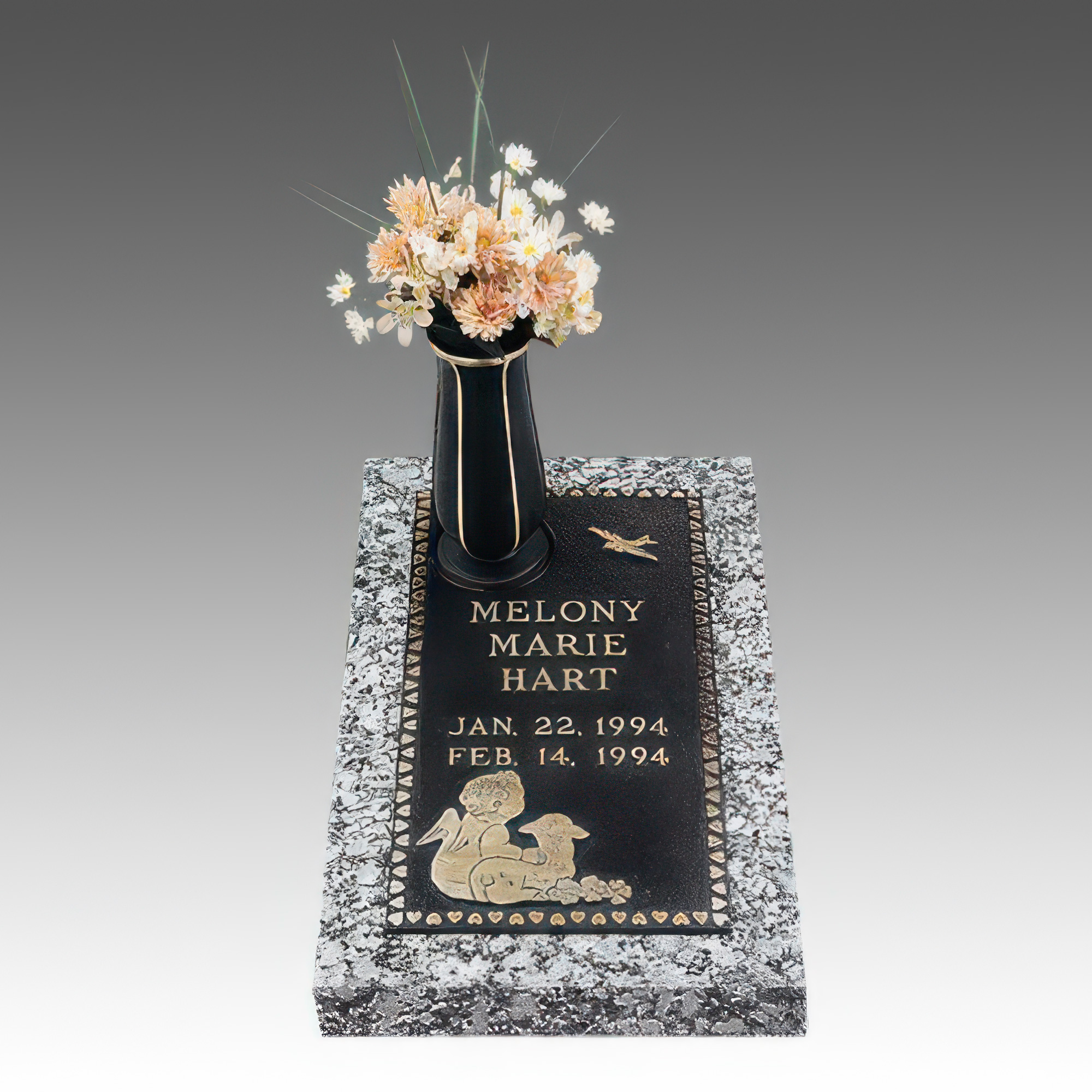
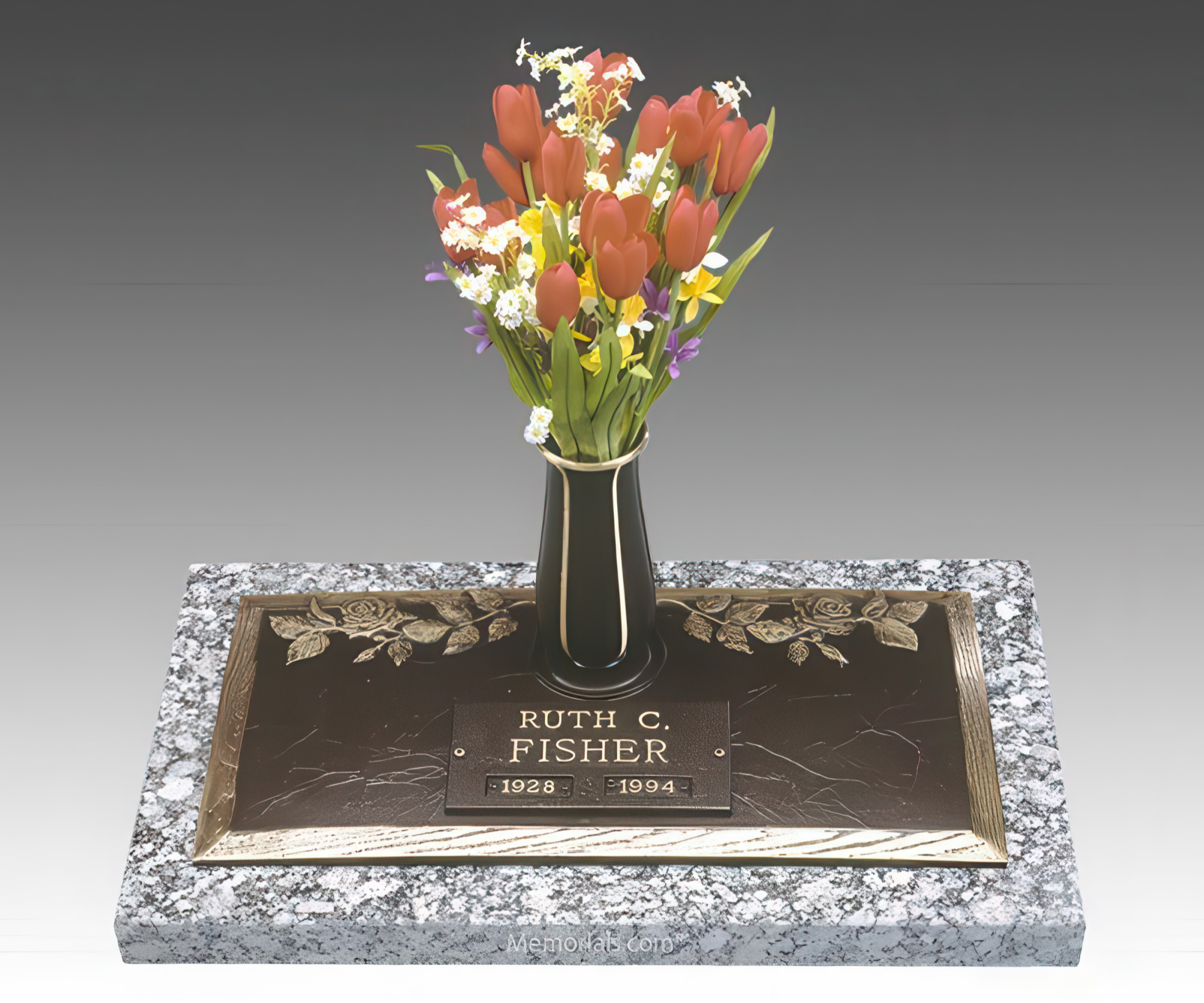
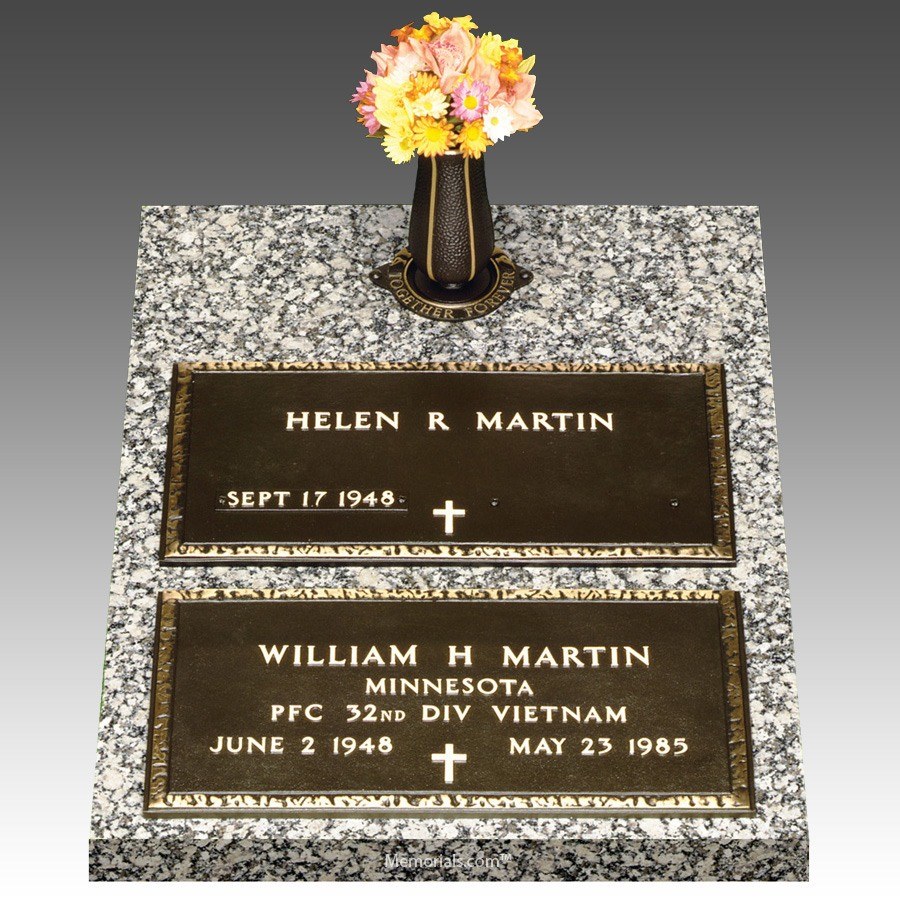
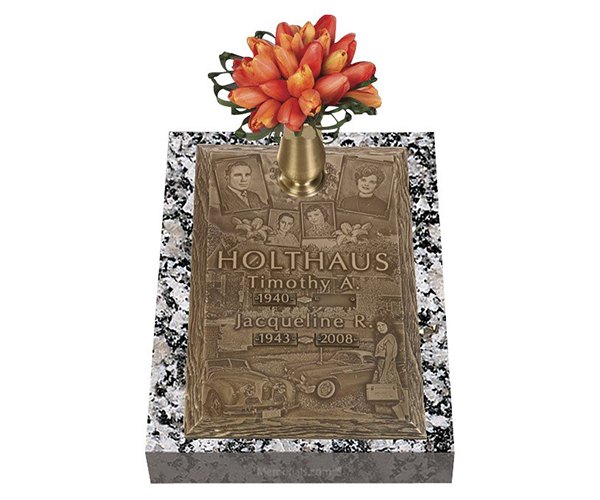
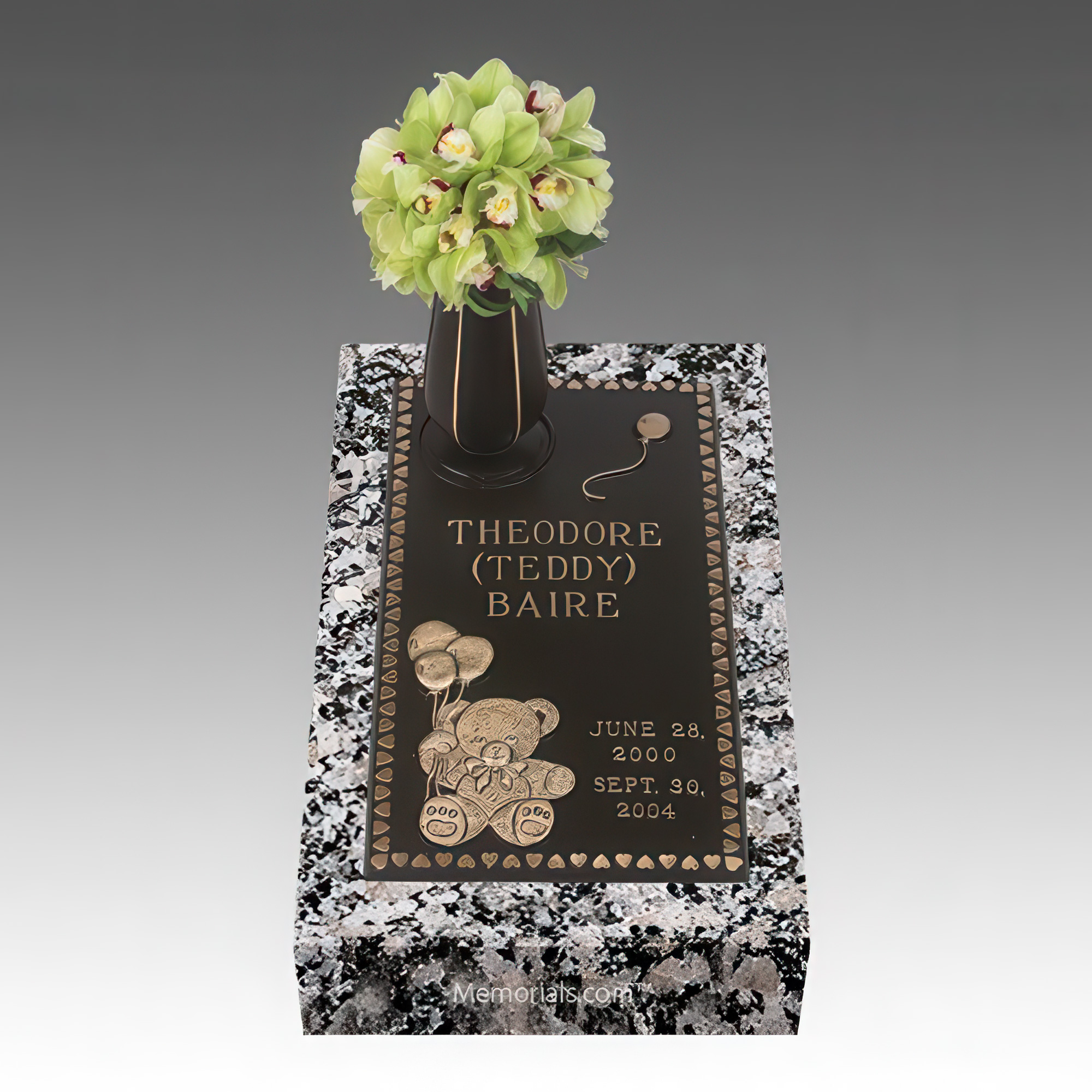
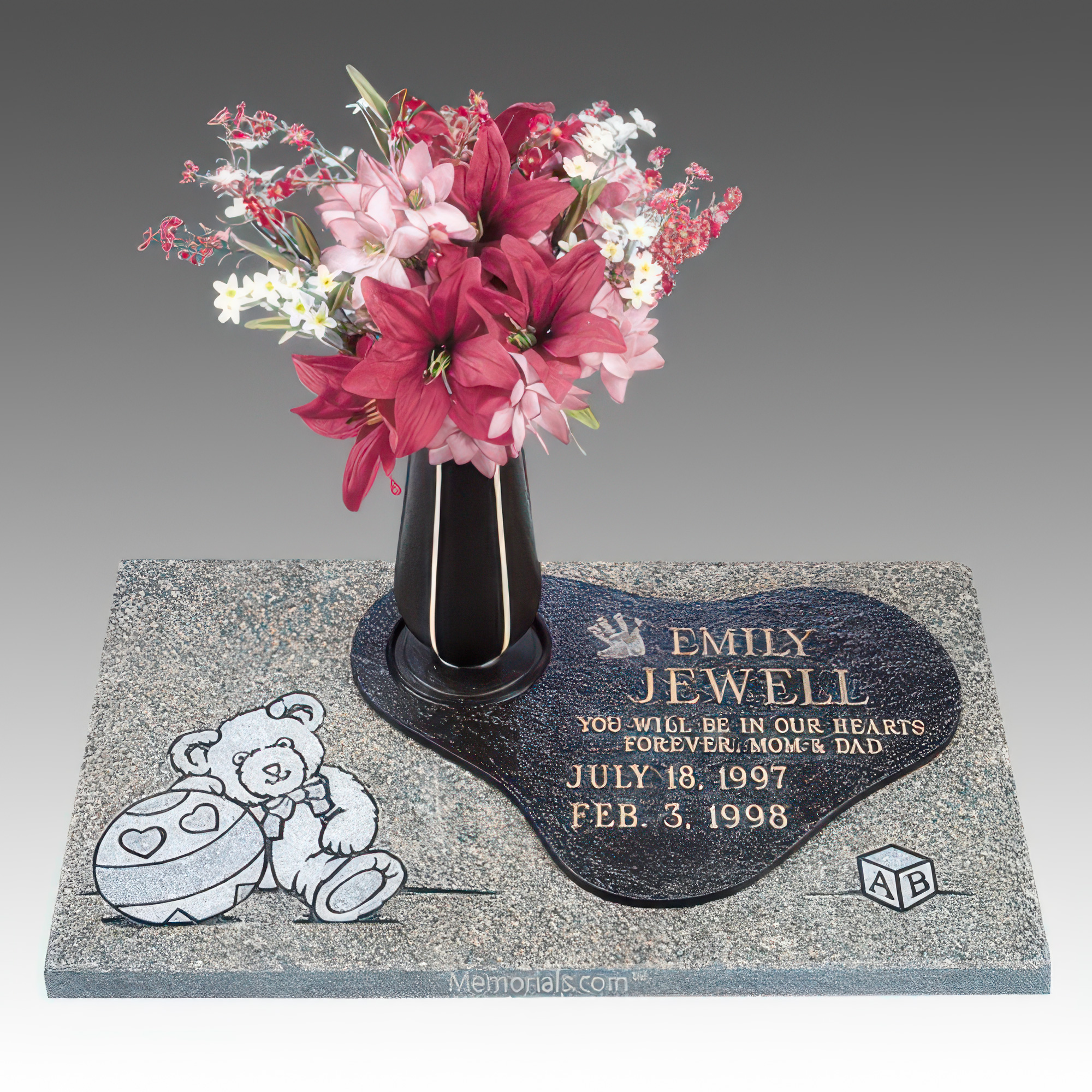
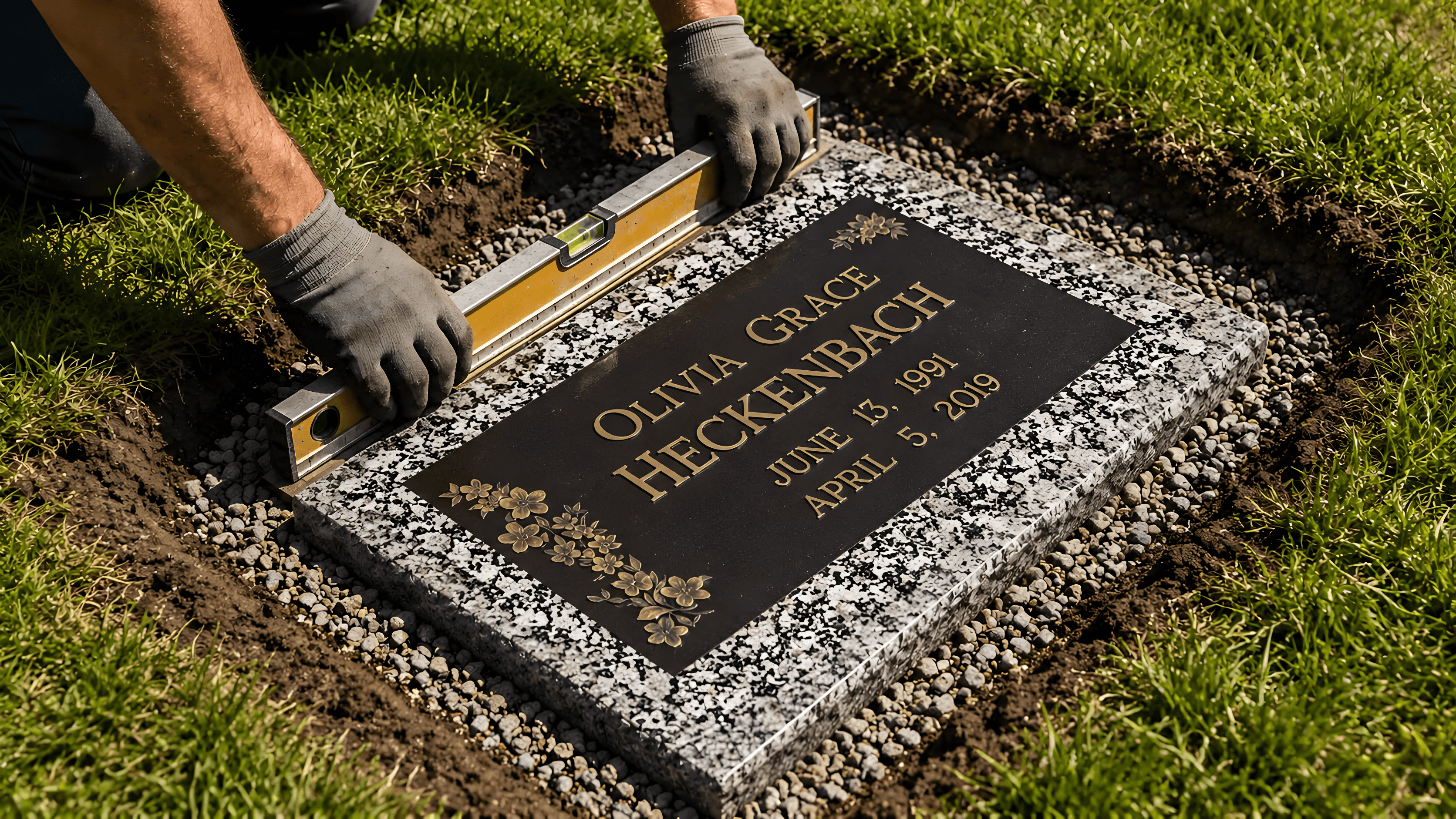
A flat grave marker sits flush with the ground, which simplifies installation but still requires a stable base. The installer excavates a shallow area slightly larger than the marker's footprint, typically adding one to two inches on each side. A layer of compacted gravel or sand provides drainage, and some cemeteries require a concrete pad beneath the marker to prevent sinking over time. Once the base is level, the marker is carefully placed and checked with a spirit level to ensure it sits perfectly flat. For bronze-on-granite markers, the bronze plaque is pre-mounted to the granite base with threaded rods and secured with washers before the entire assembly is set.
The goal with a flat marker is a surface that remains flush and safe for mowing equipment to pass over. Cemeteries are strict about this because a sunken or tilted marker creates a tripping hazard and complicates lawn maintenance.
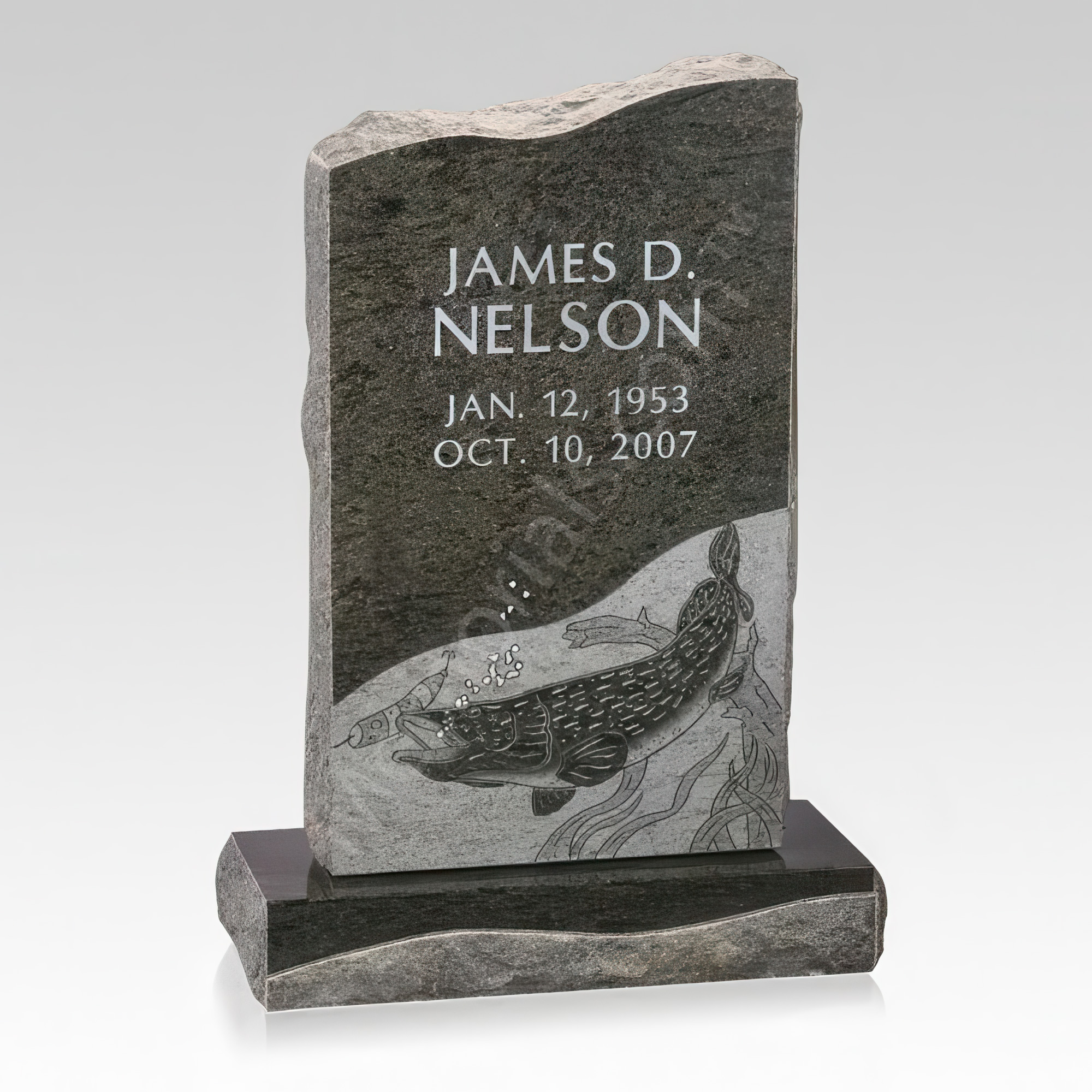
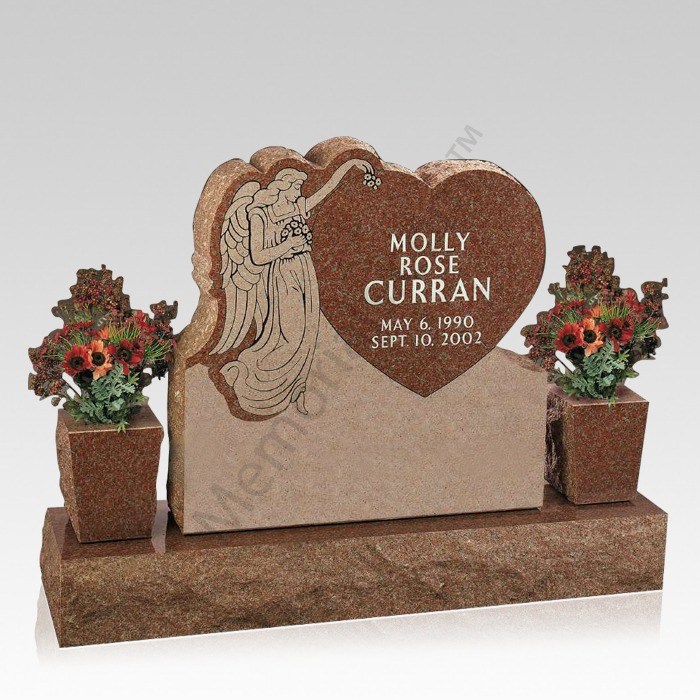
Upright Headstones and Monuments
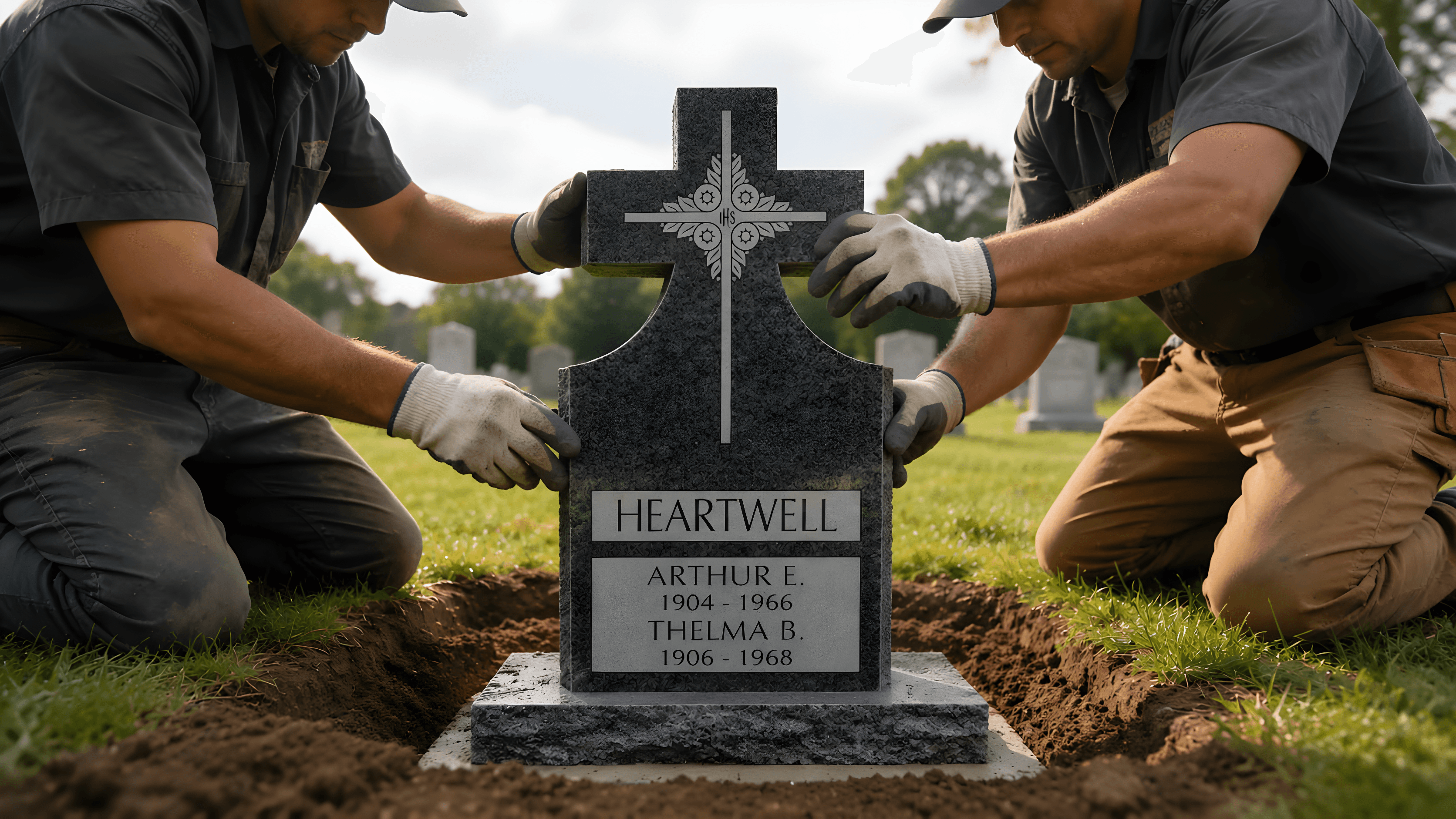
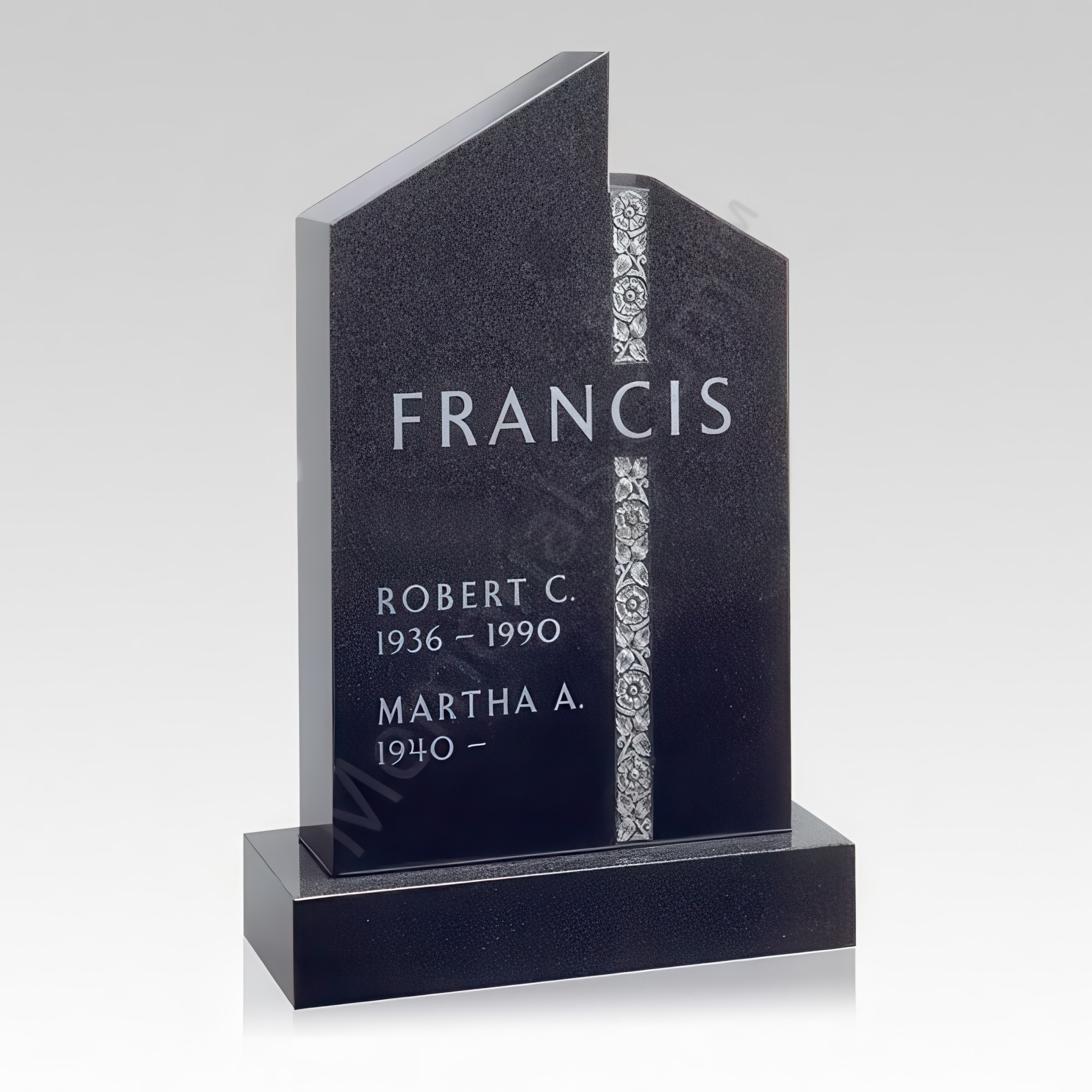
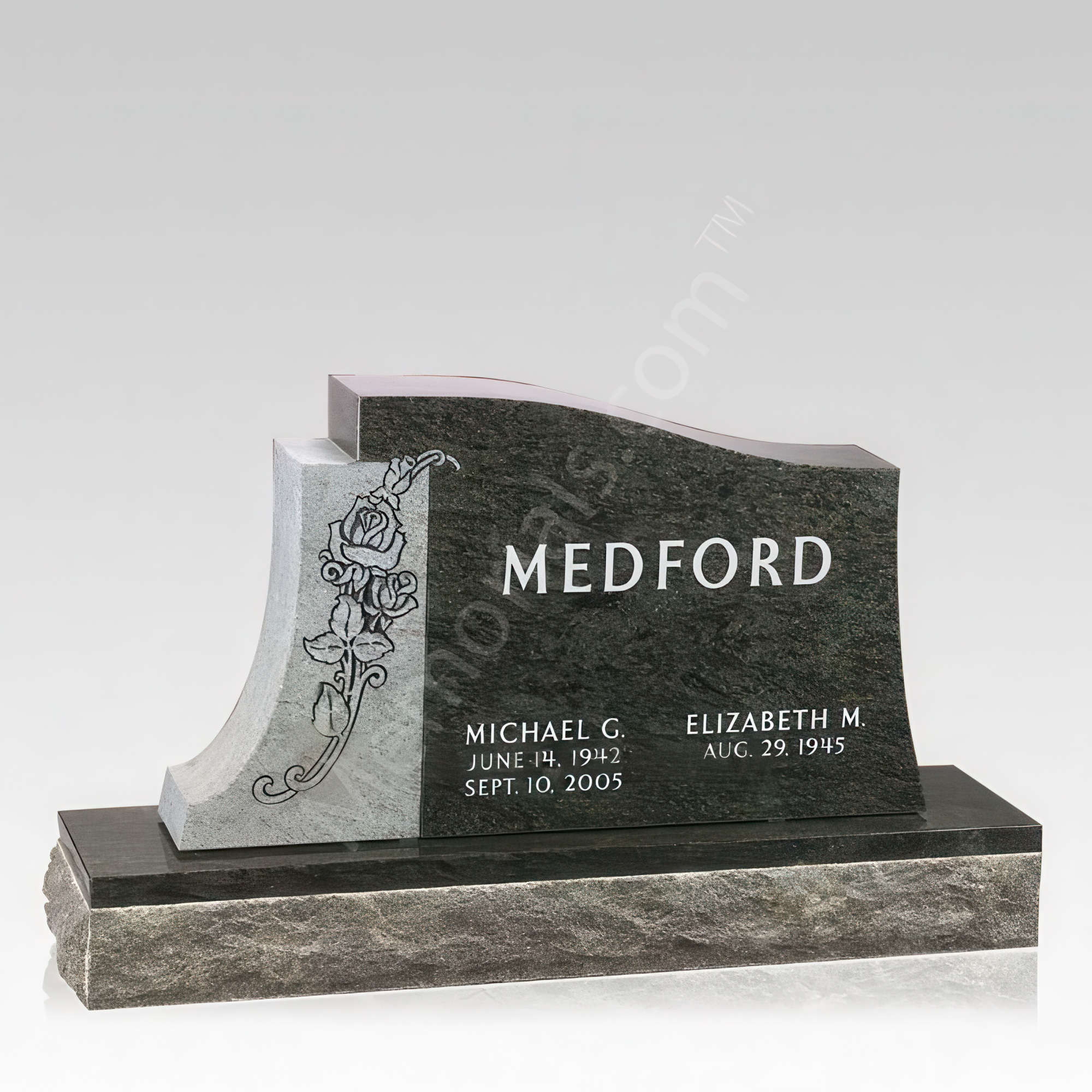
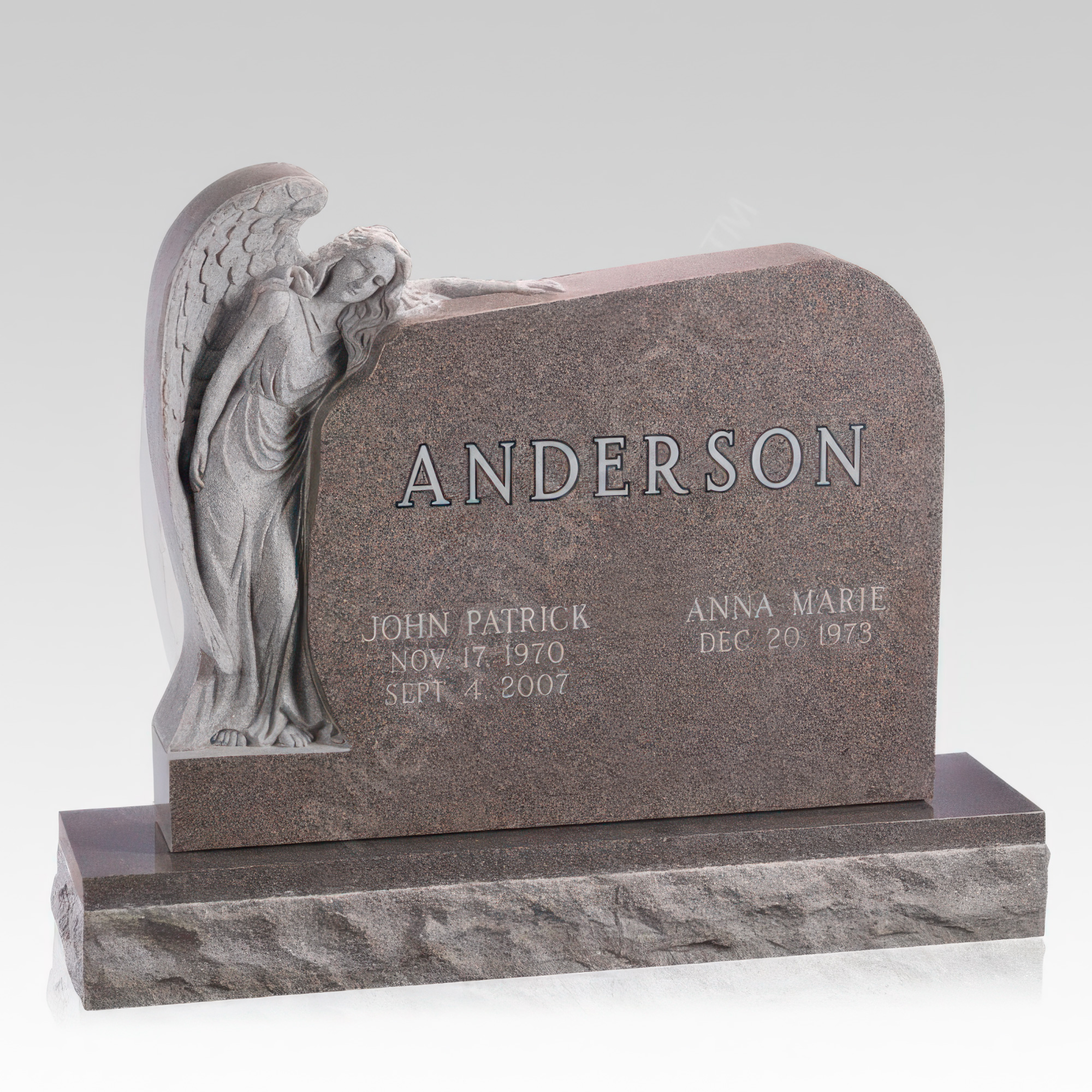
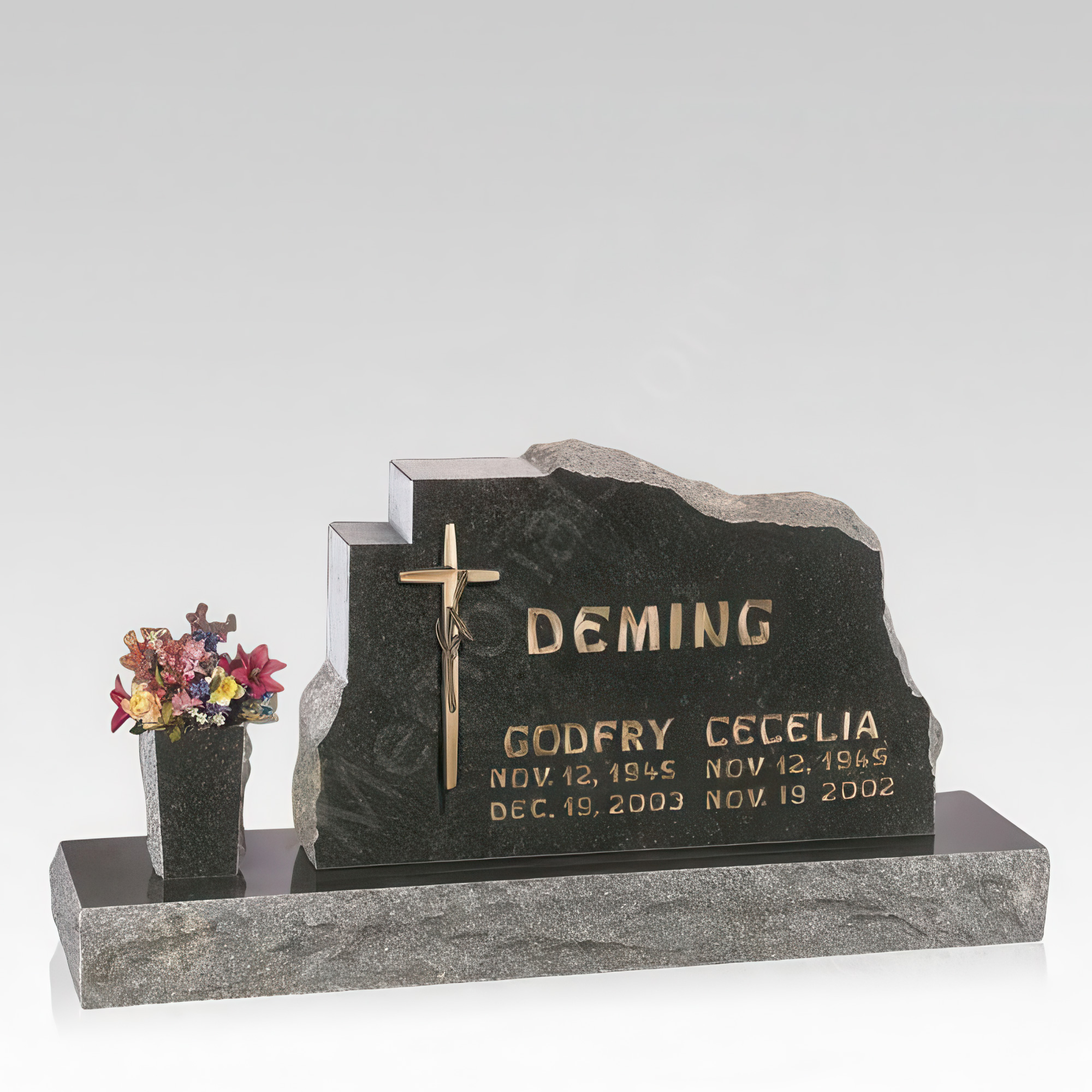
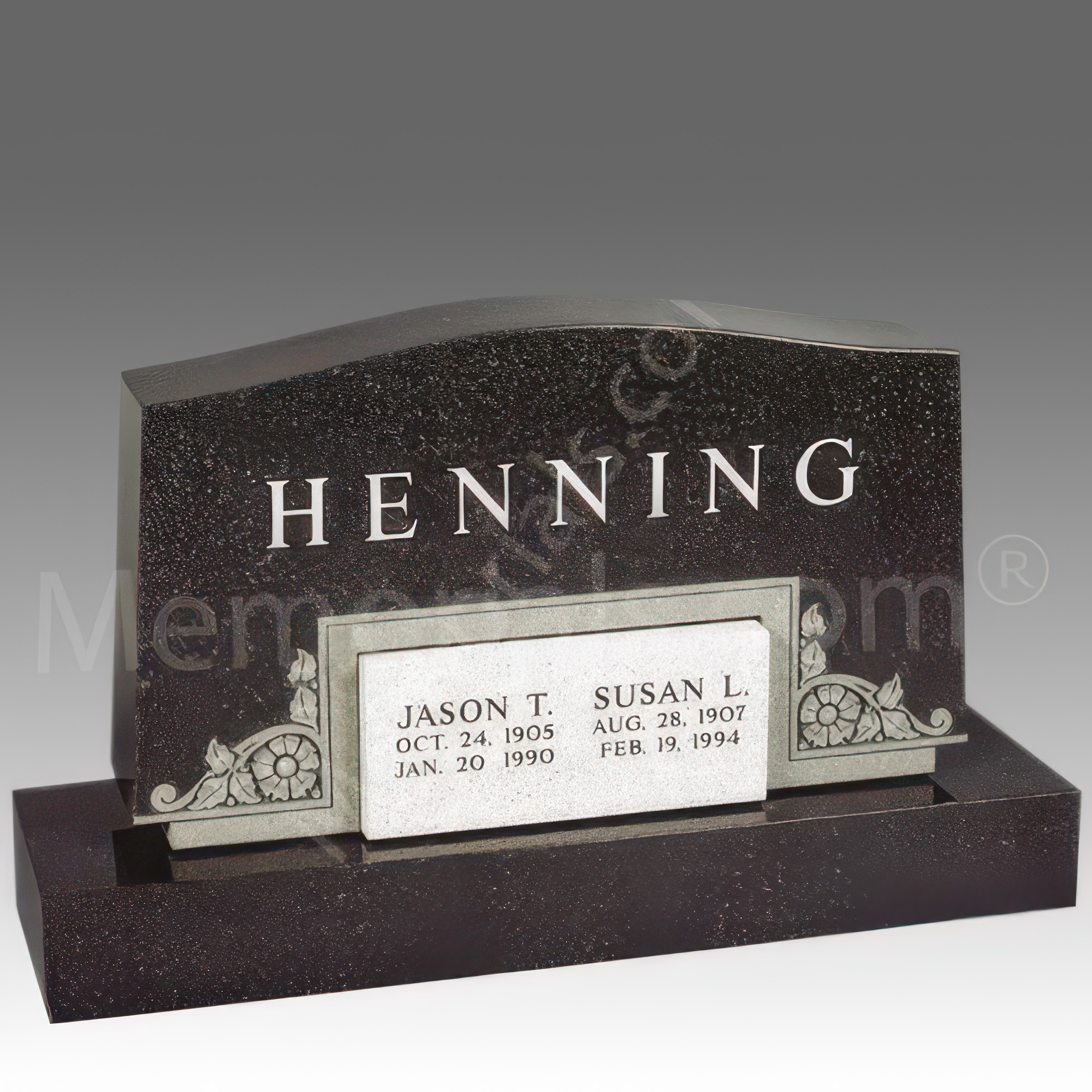
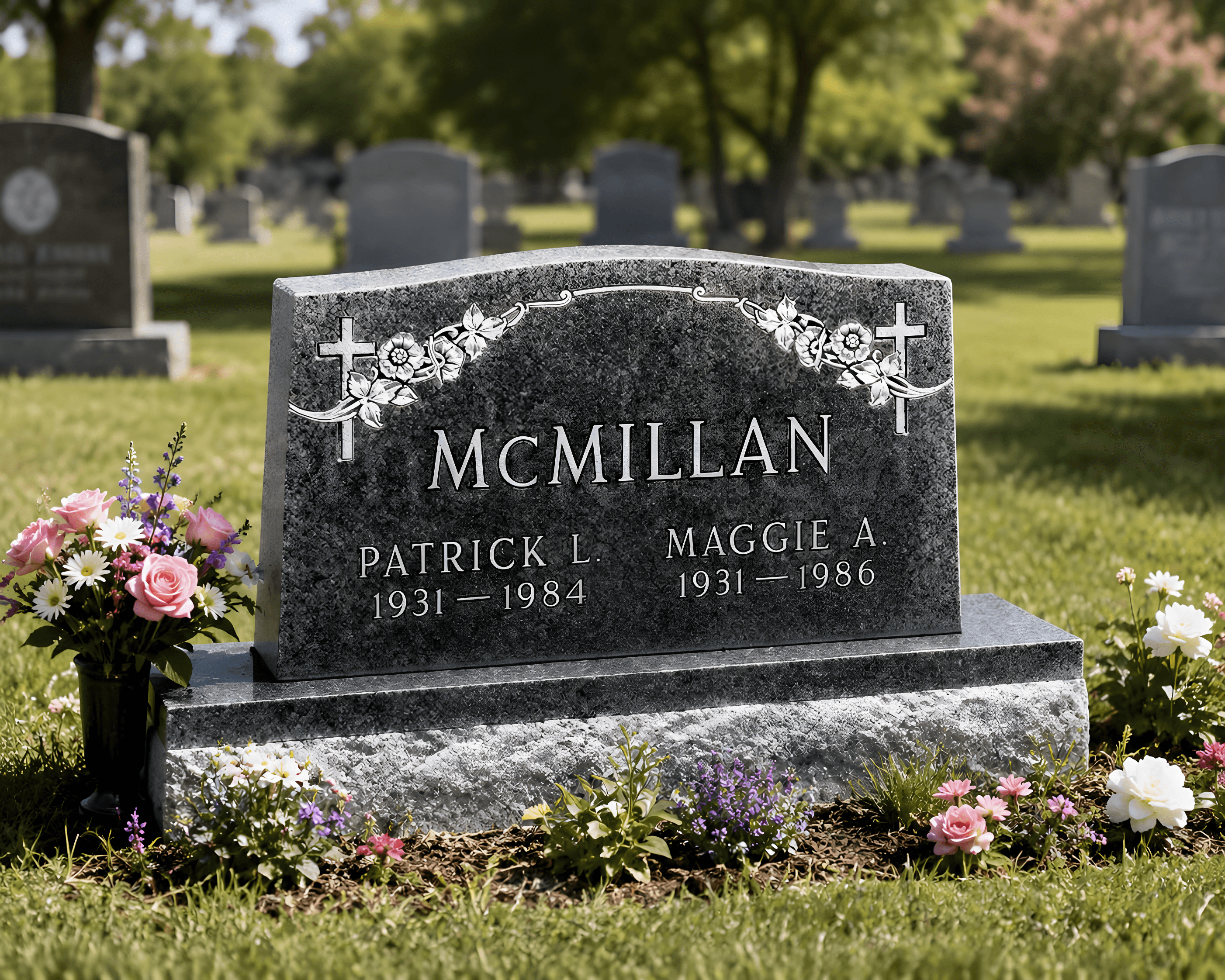
An upright headstone requires a deeper, more substantial foundation. The standard approach involves digging a footing 18 to 24 inches deep — below the frost line in most regions — and pouring a reinforced concrete base. Steel bars or mesh may be embedded in the concrete to add structural strength. The foundation must be perfectly level, because even a slight tilt will worsen over time as the ground shifts.
After the concrete cures for 24 to 48 hours, the headstone tablet is set onto the base. Installers may use adhesive, dowels, or anchoring pins to secure the stone to the foundation. For large monuments, specialized equipment like a monument crane or marker raiser is used to lift and position the stone safely.
The foundation dimensions matter. For a full breakdown of standard headstone sizes and dimensions, including how cemetery regulations affect what foundation sizes are required, see our sizing guide.
Slant Headstones and Bevel Markers
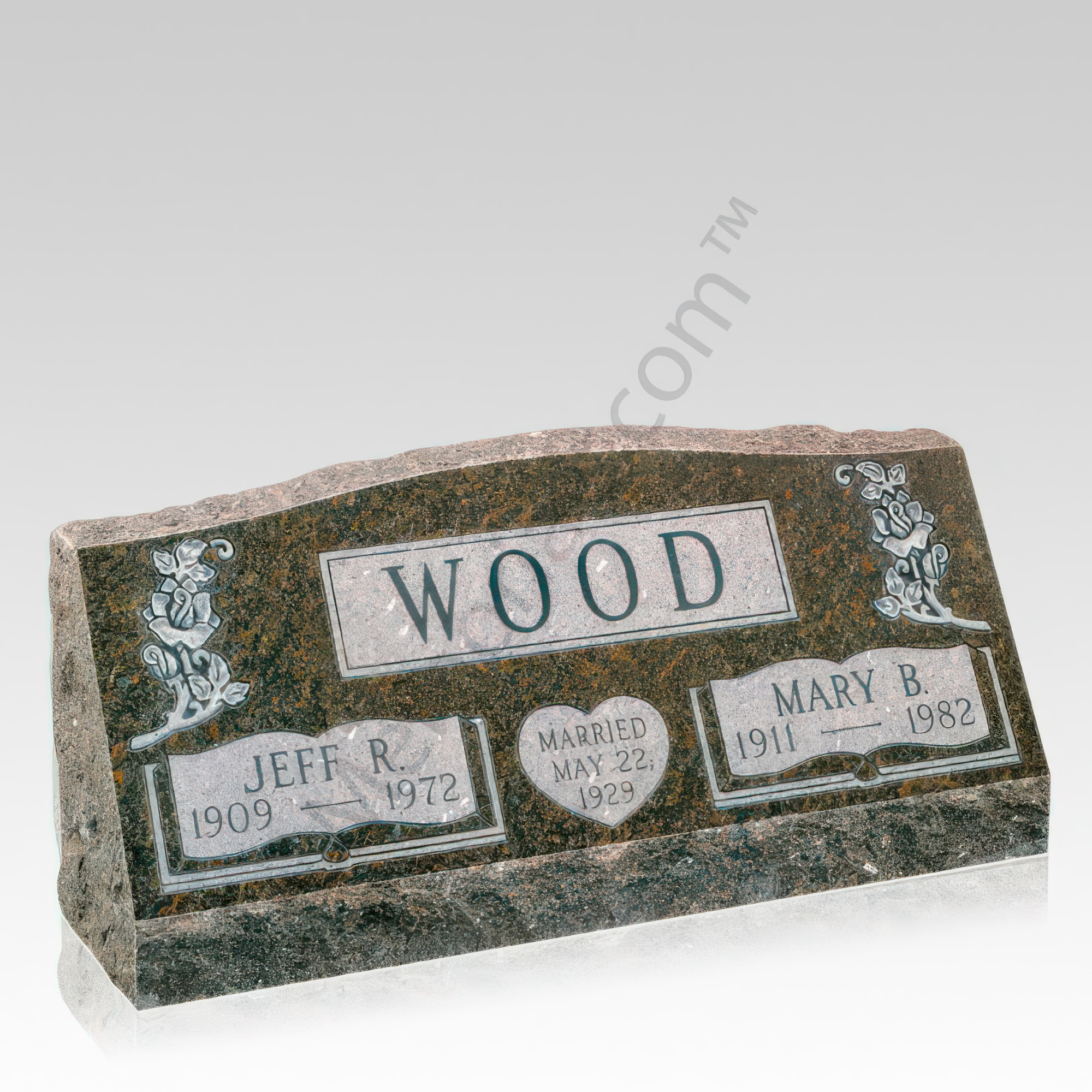
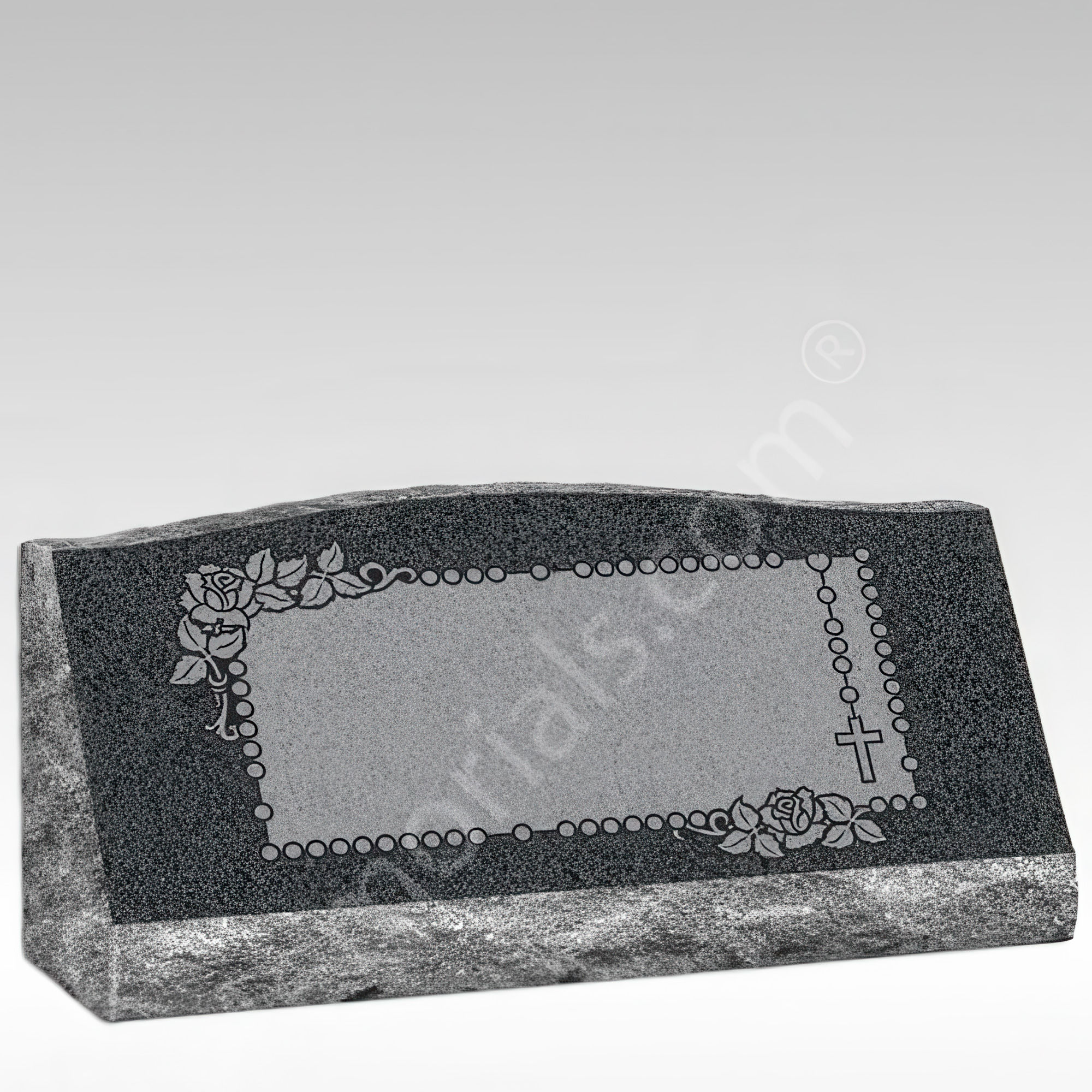
Slant markers and bevel markers fall between flat and upright in terms of foundation complexity. A slant headstone is angled and typically requires a small concrete footing, while a bevel marker has a slight rise from back to front and may be set on compacted gravel or a shallow concrete pad depending on cemetery rules.
How Much Does Headstone Installation Cost
Installation costs are separate from the cost of the headstone itself. If you are budgeting for the entire memorial, understanding both expenses matters. Our detailed guide on how much a headstone costs covers the full pricing picture, including the stone, engraving, shipping, and installation.
Here is what to expect for the installation portion alone:
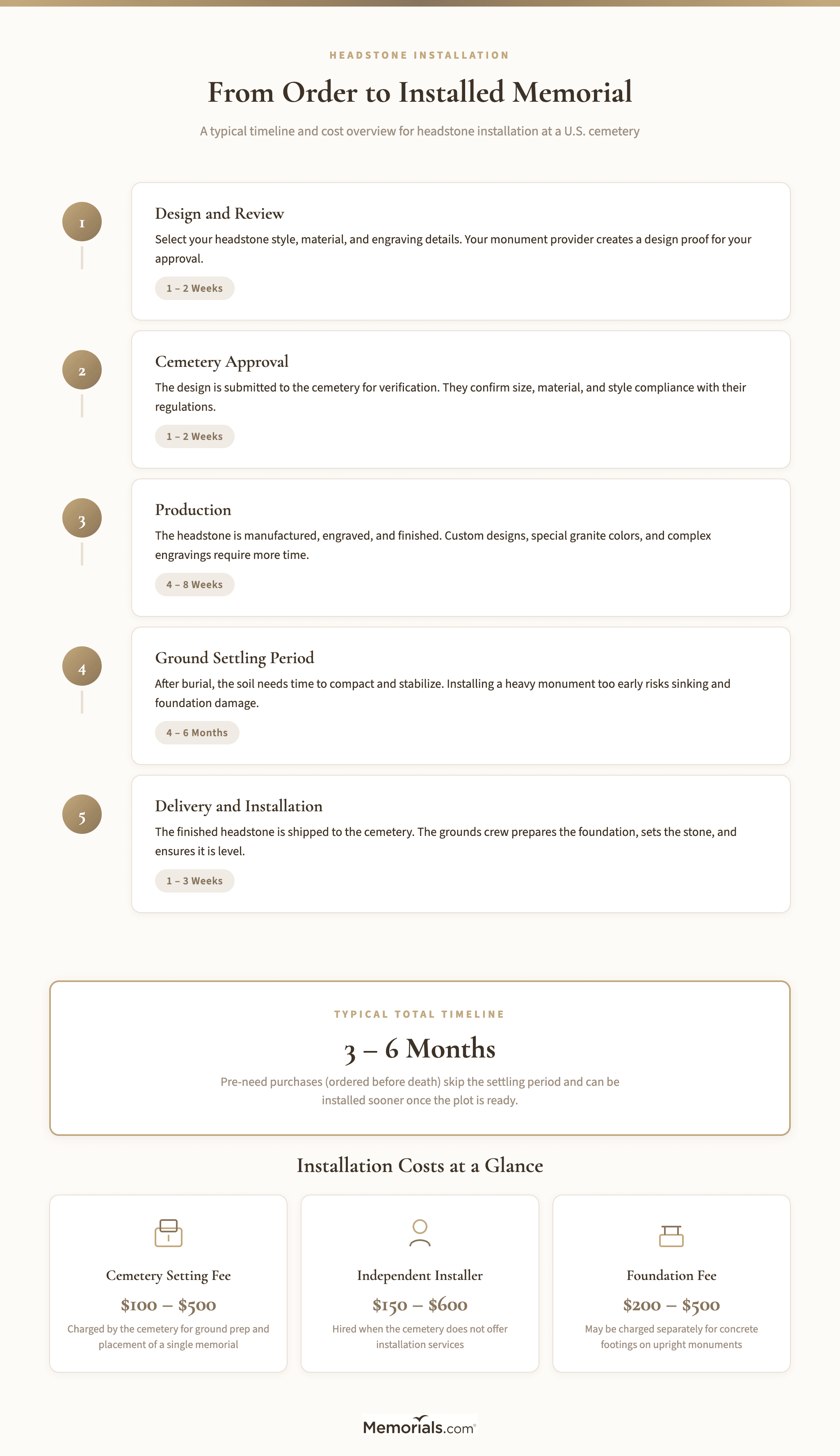
Cemetery setting fees typically range from $100 to $500 for a single memorial. The fee covers ground preparation, foundation pouring (if included), placement, and cleanup. Companion or double memorials often cost more — sometimes nearly double — because they require a larger foundation and more labor.
Independent installer fees generally fall between $150 and $600, depending on the size of the headstone, the foundation requirements, and your geographic location. Larger upright monuments with reinforced concrete footings cost more than small flat markers set on a gravel bed.
Foundation fees may be charged separately by some cemeteries. A concrete foundation can add $200 to $500 to the total, particularly for upright monuments that need deep footings.
Delivery and shipping are additional considerations when purchasing a headstone online. At Memorials.com, ground shipping is free on all headstones. We ship directly to the cemetery, where the cemetery staff receives the memorial and schedules the installation.
How Long Does Headstone Installation Take
The timeline from ordering a headstone to seeing it installed is longer than many families expect. Here is a realistic breakdown of each phase:
Design and approval: After you place your order, the monument company creates a design proof for your review. Once you approve the layout, the design is sent to the cemetery for approval. This phase typically takes one to three weeks.
Production: Manufacturing a custom granite or bronze headstone takes four to eight weeks, depending on the complexity of the design, the level of engraving detail, and the current production schedule.
Ground settling: Most monument professionals and cemetery managers recommend waiting four to six months after a burial before installing a headstone. Freshly filled soil is unstable, and a heavy monument placed too soon can sink, tilt, or crack its foundation as the ground settles. Some cemeteries enforce this waiting period as a formal policy.
Scheduling and setting: Once the headstone arrives at the cemetery, the grounds crew or installer schedules the placement. Weather, seasonal demand, and cemetery schedules all influence timing. In cold-climate regions, installations may pause during winter months when the ground is frozen.
Total timeline: From order to installation, most families should plan for three to six months. Rushed timelines are possible but may incur additional fees and carry higher risk if the ground has not fully settled.
Can You Install a Headstone Yourself
Most commercial cemeteries do not allow self-installation. The plot agreement you signed typically requires that a cemetery-approved installer handle all monument work. This protects the cemetery from liability and ensures that memorials meet safety and aesthetic standards.
However, private cemeteries, church cemeteries, and family burial plots on private land may permit self-installation. If this applies to your situation, here is what to keep in mind:
Legal requirements: You must hold the Deed of Grant or equivalent documentation proving you have the right to place a monument on the plot. Without this, even close family members may not be authorized to install anything. Check with local zoning boards if the burial is on private property.
Safety: Headstones are extremely heavy. A standard upright monument can weigh 200 to 400 pounds or more. Never attempt to move or set a headstone alone. Have at least two to three helpers on site, and use proper lifting equipment such as a hand truck, straps, or a trailer-mounted crane.
Foundation: Even a small flat marker benefits from a stable base. For upright stones, a properly poured concrete footing is essential to prevent shifting. Excavate below the frost line, use reinforced steel mesh or bars, mix and pour concrete to the correct depth, and allow a full 24 to 48 hours of curing time before setting the stone.
Leveling: Use a spirit level on multiple axes to ensure the headstone is perfectly plumb. A stone that is even slightly off-level will lean further over time as ground conditions change.
If you are not confident in your ability to handle these steps, hiring a professional is strongly recommended. Improper installation can lead to the stone falling, cracking, or damaging adjacent memorials.
Questions to Ask the Cemetery Before Ordering
Contacting the cemetery before you finalize your headstone order saves time and prevents costly mistakes. Here are the essential questions to ask:
What are the permitted headstone sizes, styles, and materials for your section? Is there a settling period required before a headstone can be placed? What is the setting fee, and does it include the foundation? Does the cemetery handle installation, or can you use an outside installer? Are there any required design elements, such as religious symbols or specific lettering? What forms or documentation does the cemetery need before approving a headstone? Is there a separate foundation or supervision fee?
Knowing the answers to these questions before you begin the design process ensures your headstone will meet every requirement. If you are still researching cemetery options, our guide on how to buy a cemetery plot covers what to look for when choosing a burial location.
When you order a headstone from Memorials.com, we manage the process from design to delivery:
We contact the cemetery to verify all rules, regulations, and size requirements. After cemetery approval, our design team creates a layout proof and emails it to you for review. Your headstone does not go into production until you approve the final design. Once production is complete, we ship the finished memorial directly to the cemetery at no extra charge. The cemetery then schedules and completes the installation.
Our catalog includes more than 2,500 granite headstones, bronze memorials, flat markers, and specialty monuments. Every order includes free shipping, design proofs, and cemetery verification — so you can focus on creating a meaningful tribute rather than navigating logistics.
How long after a burial can a headstone be installed?
Most cemeteries and monument professionals recommend waiting four to six months after burial to allow the ground to settle. Placing a headstone too soon risks sinking, tilting, or foundation damage. Some cemeteries enforce a specific waiting period before they will schedule an installation.
How much does it cost to install a headstone?
Cemetery setting fees typically range from $100 to $500 for a single memorial. Independent installers charge $150 to $600 depending on monument size and foundation requirements. Foundation fees may add $200 to $500 if charged separately.
Who is responsible for installing a headstone?
In most commercial cemeteries, the cemetery grounds crew installs headstones and charges a setting fee. In private or rural cemeteries, you may need to hire an independent monument installer. Self-installation is allowed in some private cemeteries and on private land, but it is not common.
Can I install a headstone myself?
Most commercial cemeteries do not permit self-installation. Private cemeteries and family plots on private property may allow it. If you install a headstone yourself, you need proper tools, a concrete foundation, at least two to three helpers, and must ensure compliance with local regulations.
How long does the entire process take from ordering to installation?
Plan for three to six months total. Design and cemetery approval take one to three weeks, production takes four to eight weeks, and ground settling after burial typically requires four to six months. Scheduling the actual installation may add additional time depending on season and cemetery availability.
How much does a headstone weigh?
A flat grave marker typically weighs 50 to 150 pounds. An upright headstone ranges from 200 to 400 pounds or more, depending on the size and type of granite. Companion and family monuments can exceed 1,000 pounds. This is why professional installation with proper equipment is strongly recommended.