🏬Supersize Online Funeral Retailer🪦1000's of Headstones⚱️Over 15,000 Cremation Urns⚰️Caskets Overnight Delivery🛒Funeral & Memorial Superstore🚚FREE Shipping on ALL Orders👨👩👧👦Helping Families for over 20 Years💰Lowest Price Guarantee🏬Supersize Online Funeral Retailer🪦1000's of Headstones⚱️Over 15,000 Cremation Urns⚰️Caskets Overnight Delivery🛒Funeral & Memorial Superstore🚚FREE Shipping on ALL Orders👨👩👧👦Helping Families for over 20 Years💰Lowest Price Guarantee
🏬Supersize Online Funeral Retailer🪦1000's of Headstones⚱️Over 15,000 Cremation Urns⚰️Caskets Overnight Delivery🛒Funeral & Memorial Superstore🚚FREE Shipping on ALL Orders👨👩👧👦Helping Families for over 20 Years💰Lowest Price Guarantee🏬Supersize Online Funeral Retailer🪦1000's of Headstones⚱️Over 15,000 Cremation Urns⚰️Caskets Overnight Delivery🛒Funeral & Memorial Superstore🚚FREE Shipping on ALL Orders👨👩👧👦Helping Families for over 20 Years💰Lowest Price Guarantee
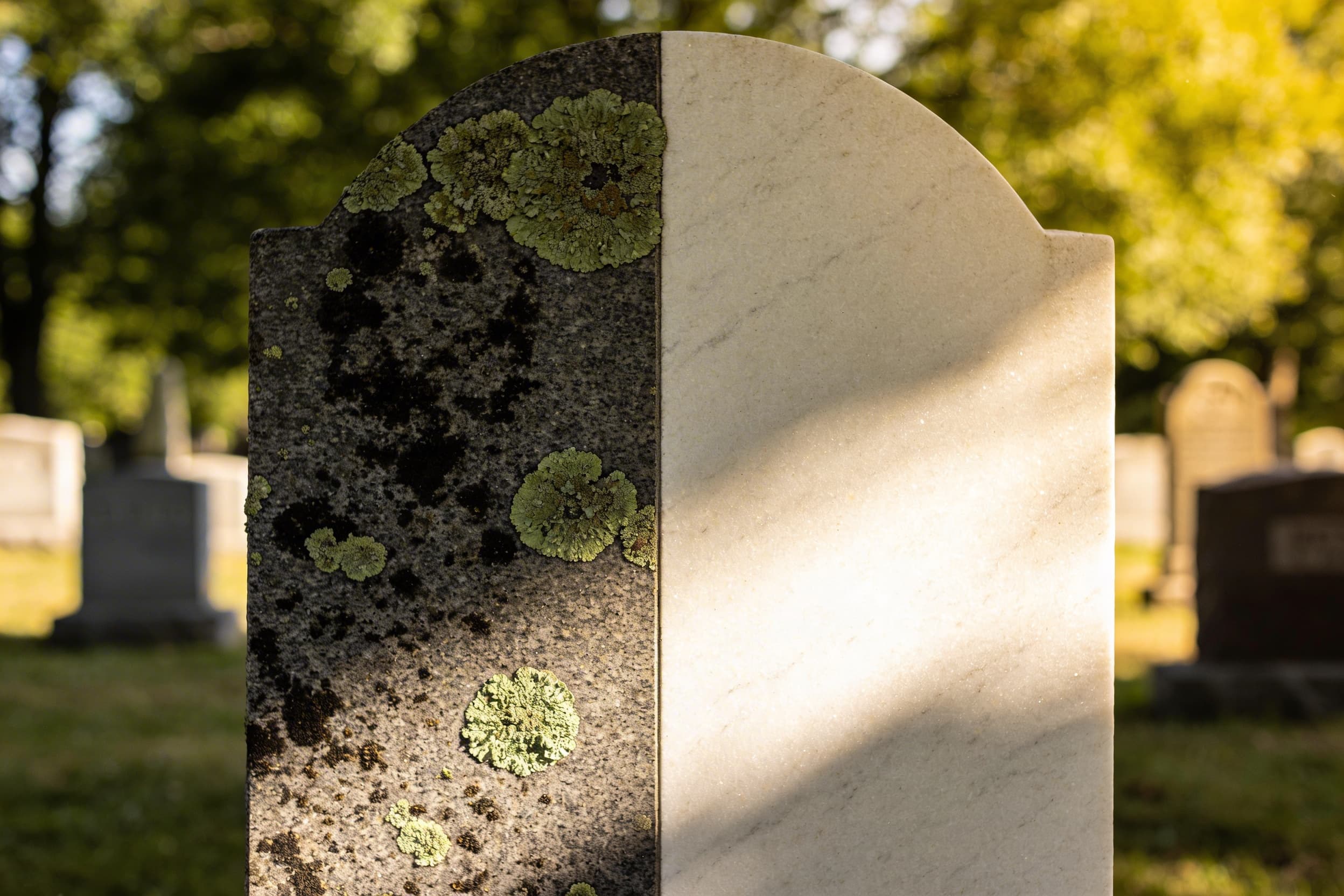
Headstones endure decades of rain, wind, UV exposure, and biological growth. Over time, even the sturdiest granite monument can develop dark staining from algae, lichen, mold, or air pollution. Cleaning your loved one's headstone once every one to two years prevents this buildup from accelerating deterioration and keeps the inscription legible for generations. If you are planning to purchase a new memorial, our complete headstone buying guide covers everything from selecting a style to understanding cemetery requirements.
This guide walks you through the entire process, from assessing the stone's condition and gathering supplies to cleaning step by step and following material-specific techniques for granite, marble, bronze, sandstone, and slate. You will also learn which products and methods to avoid so that your cleaning efforts do more good than harm.
Every headstone cleaning project should begin with a careful assessment. Skipping this step risks turning a well-intentioned cleaning into accidental damage.
Get Permission First
Before cleaning any headstone at a cemetery, make sure you have authorization. If you are cleaning a family member's stone, confirm with other relatives that they are comfortable with it. For historical or volunteer cleaning projects, contact the cemetery superintendent or the municipality that manages the grounds to get written permission. Some cemeteries have specific cemetery rules for headstone maintenance, including which cleaning products are permitted and whether professional supervision is required.
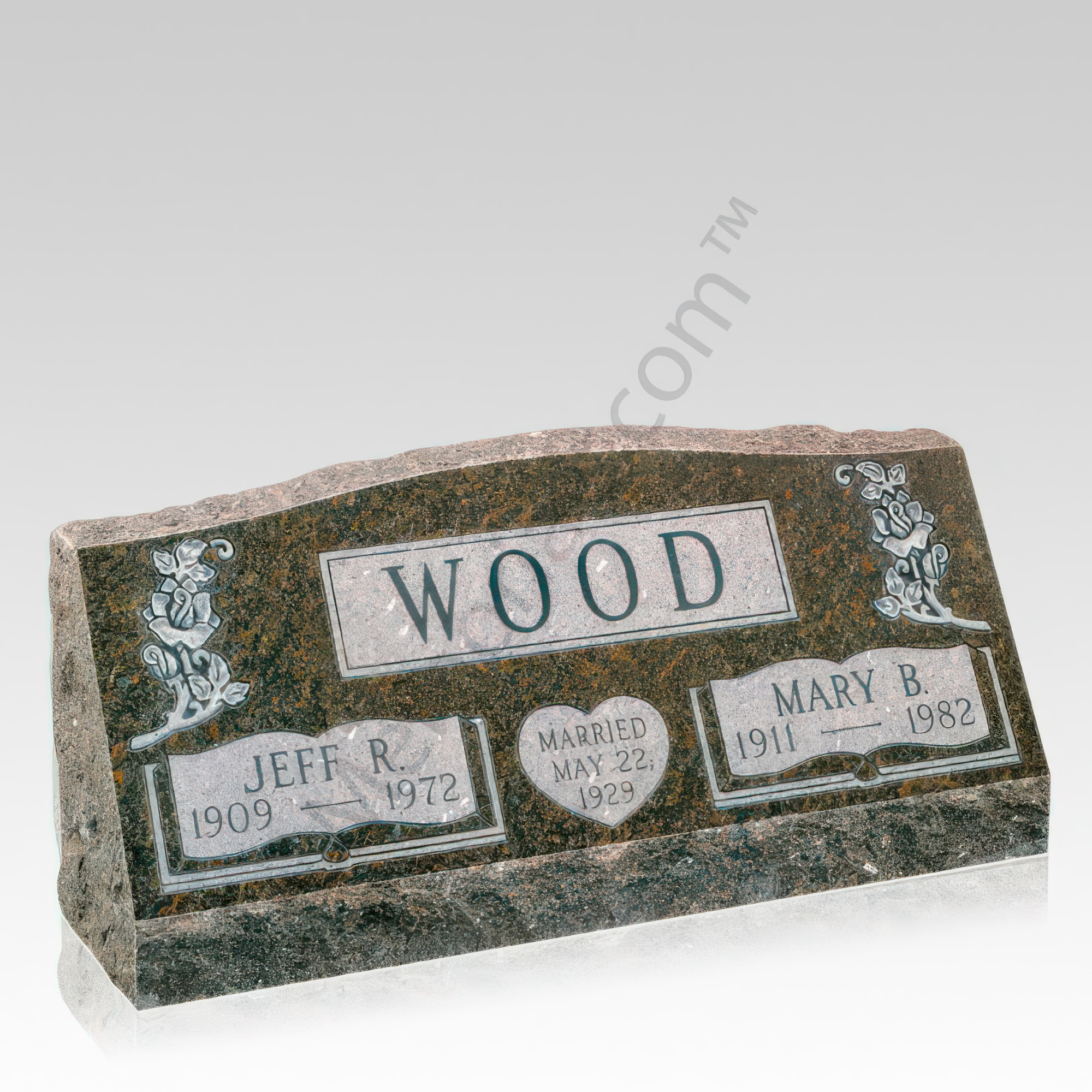
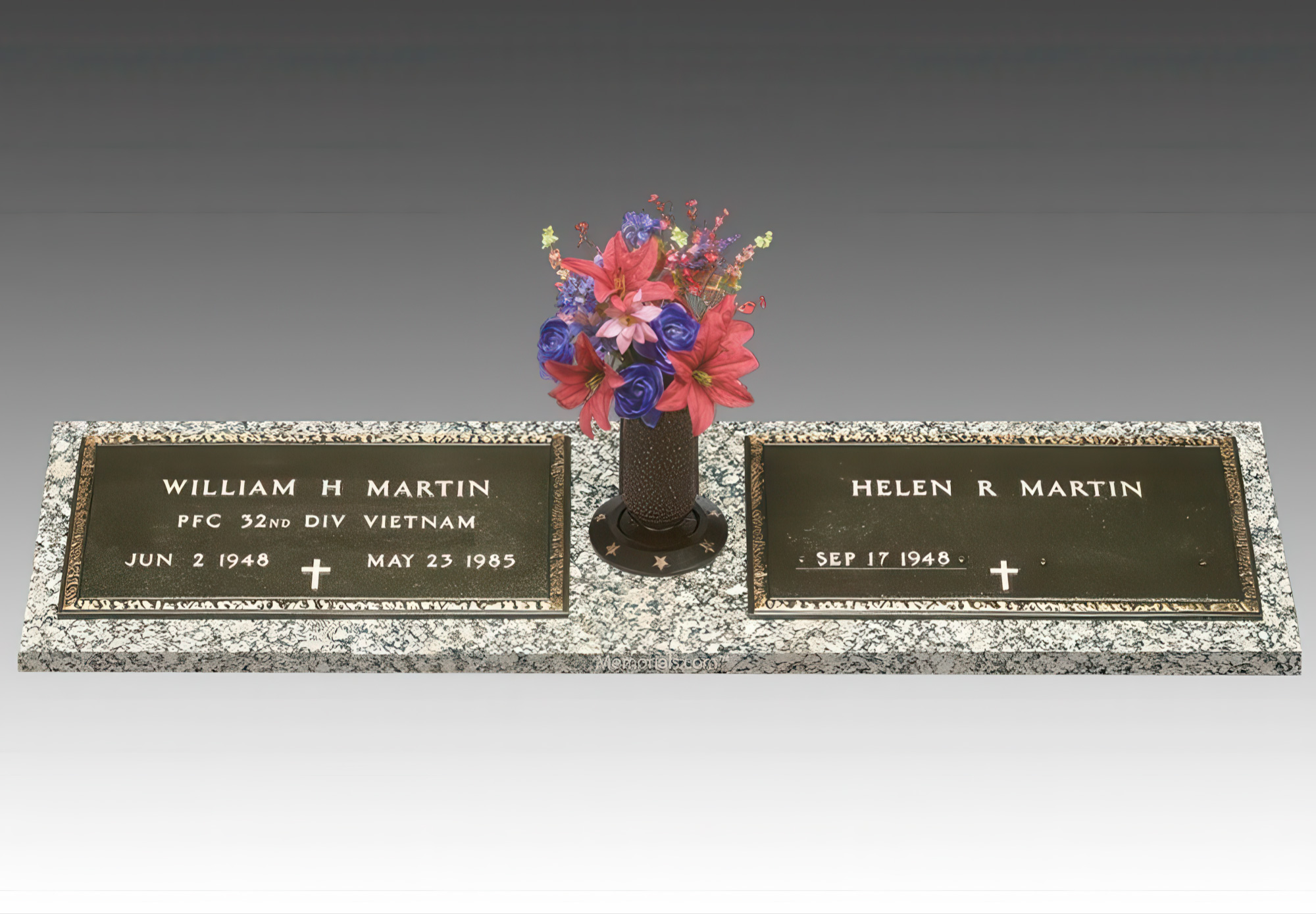
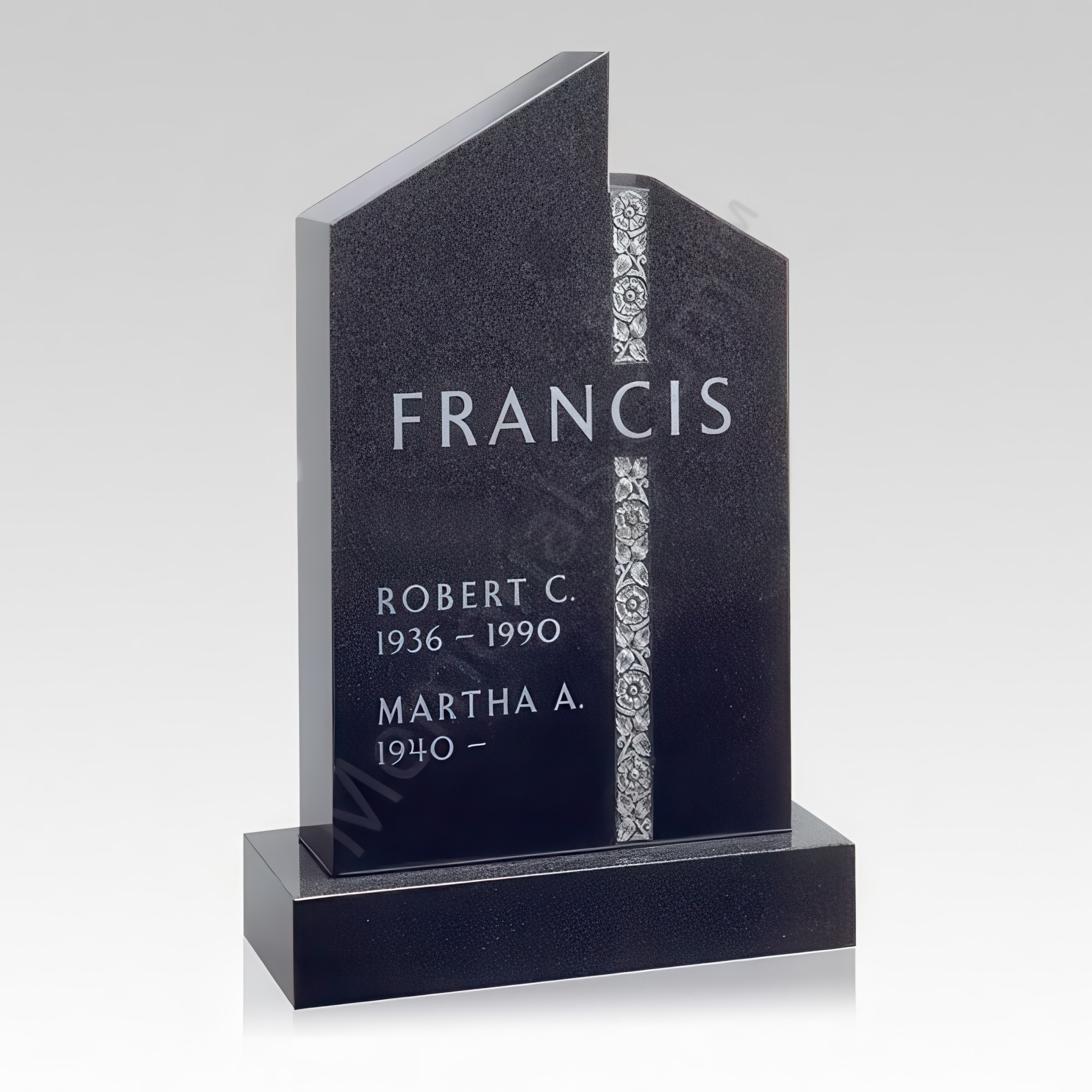
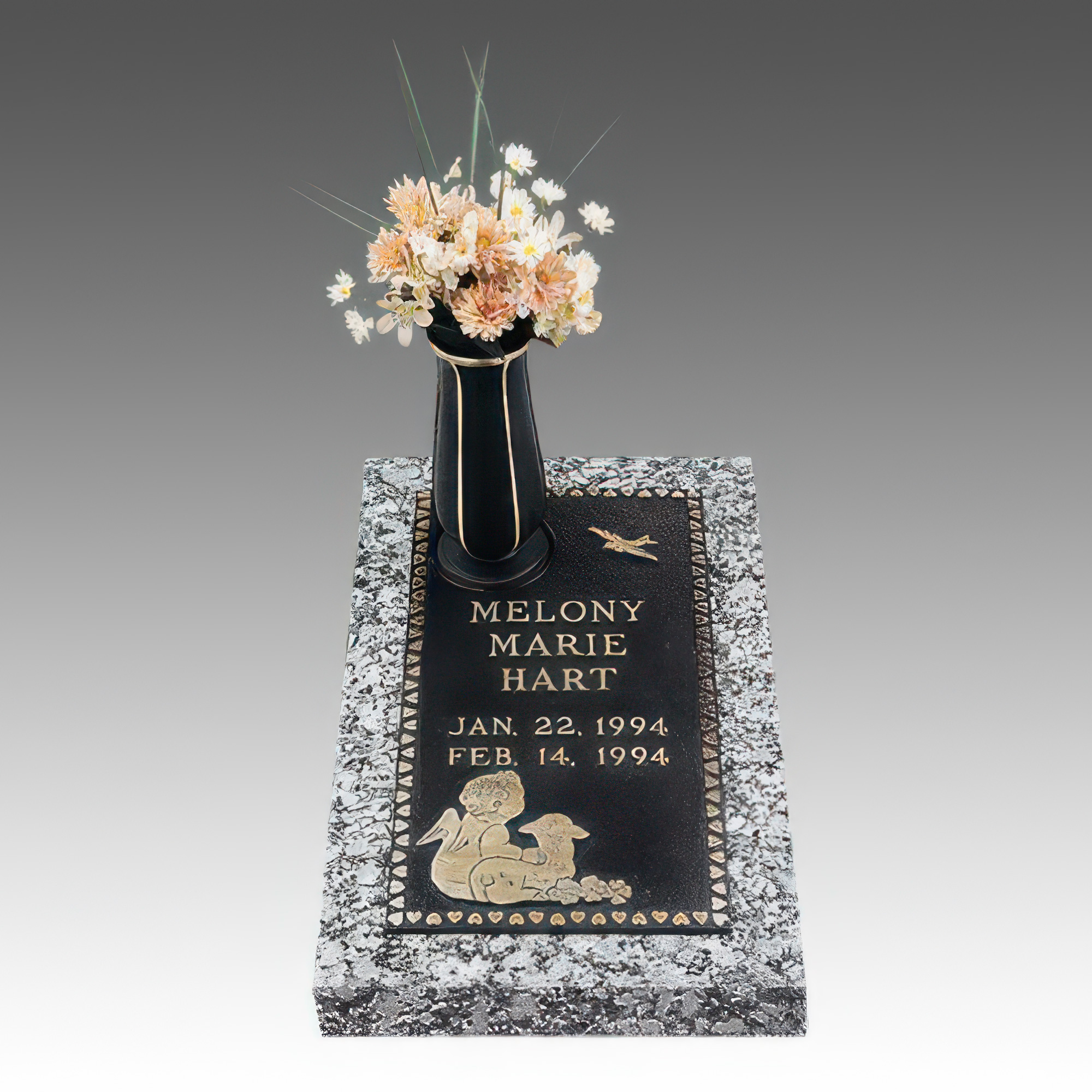
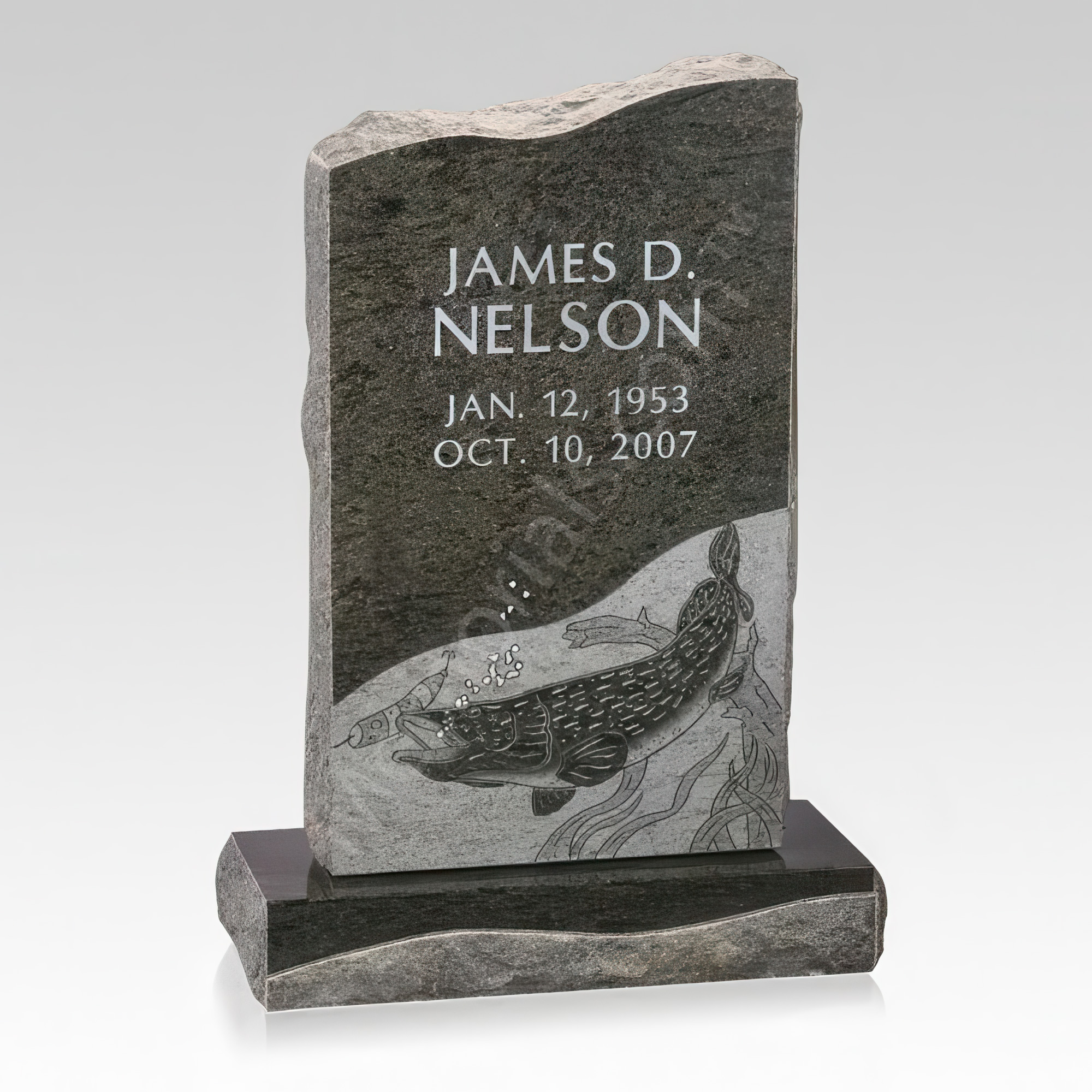
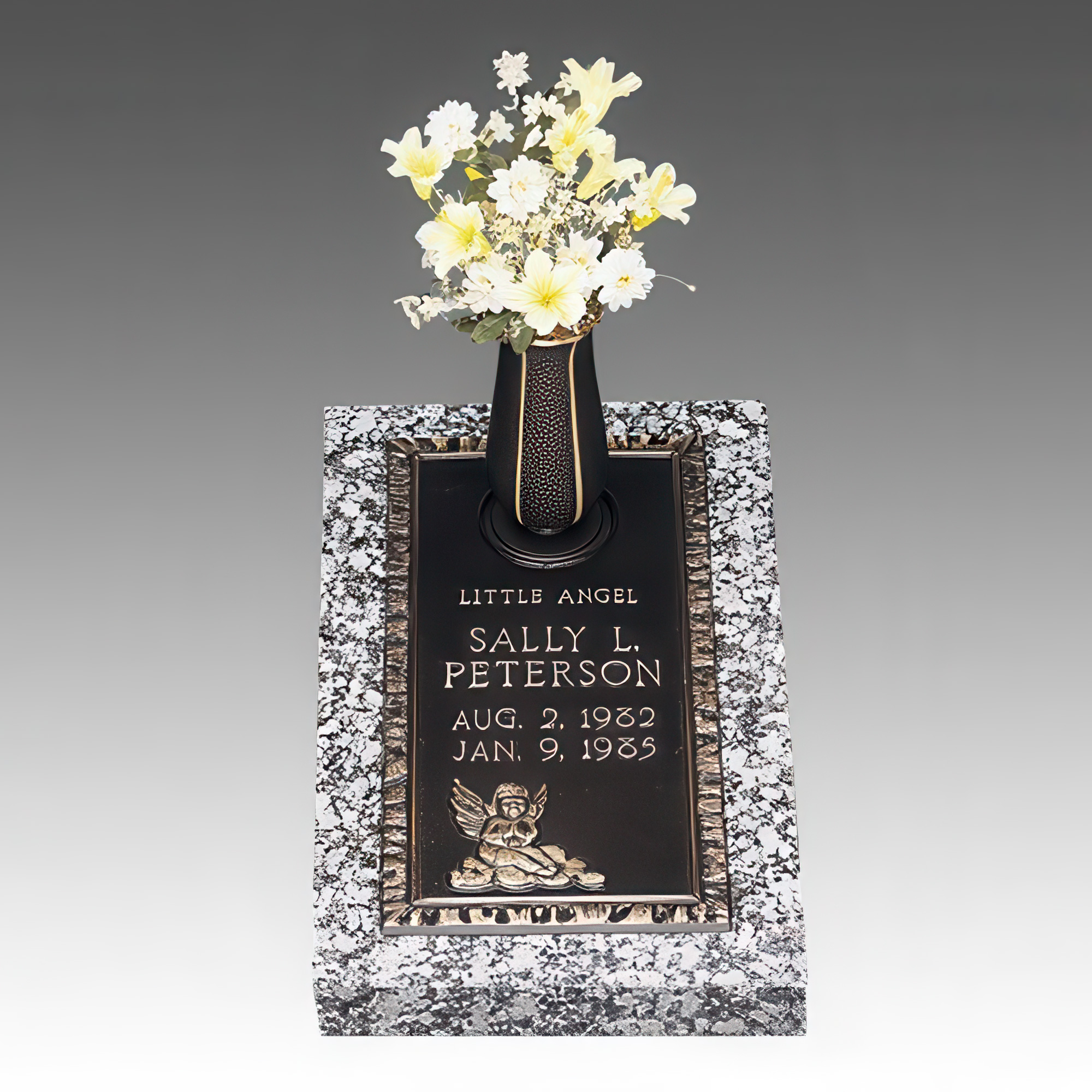
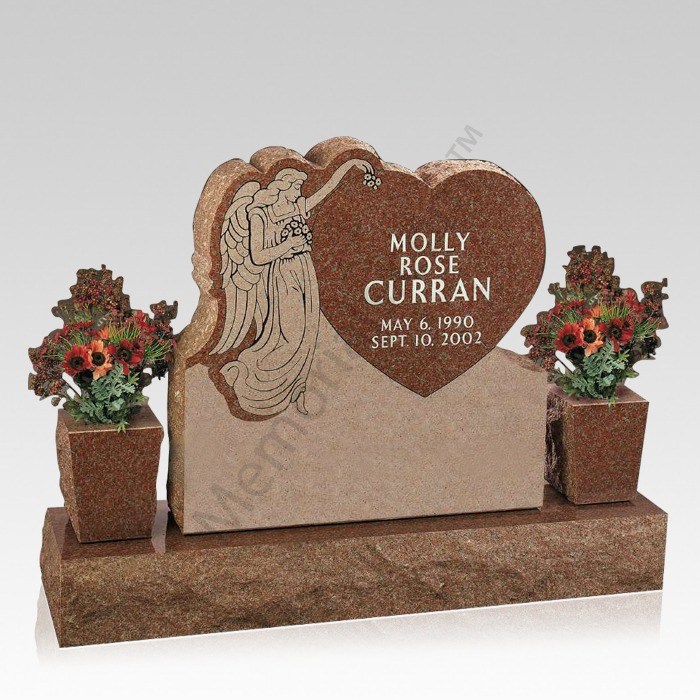
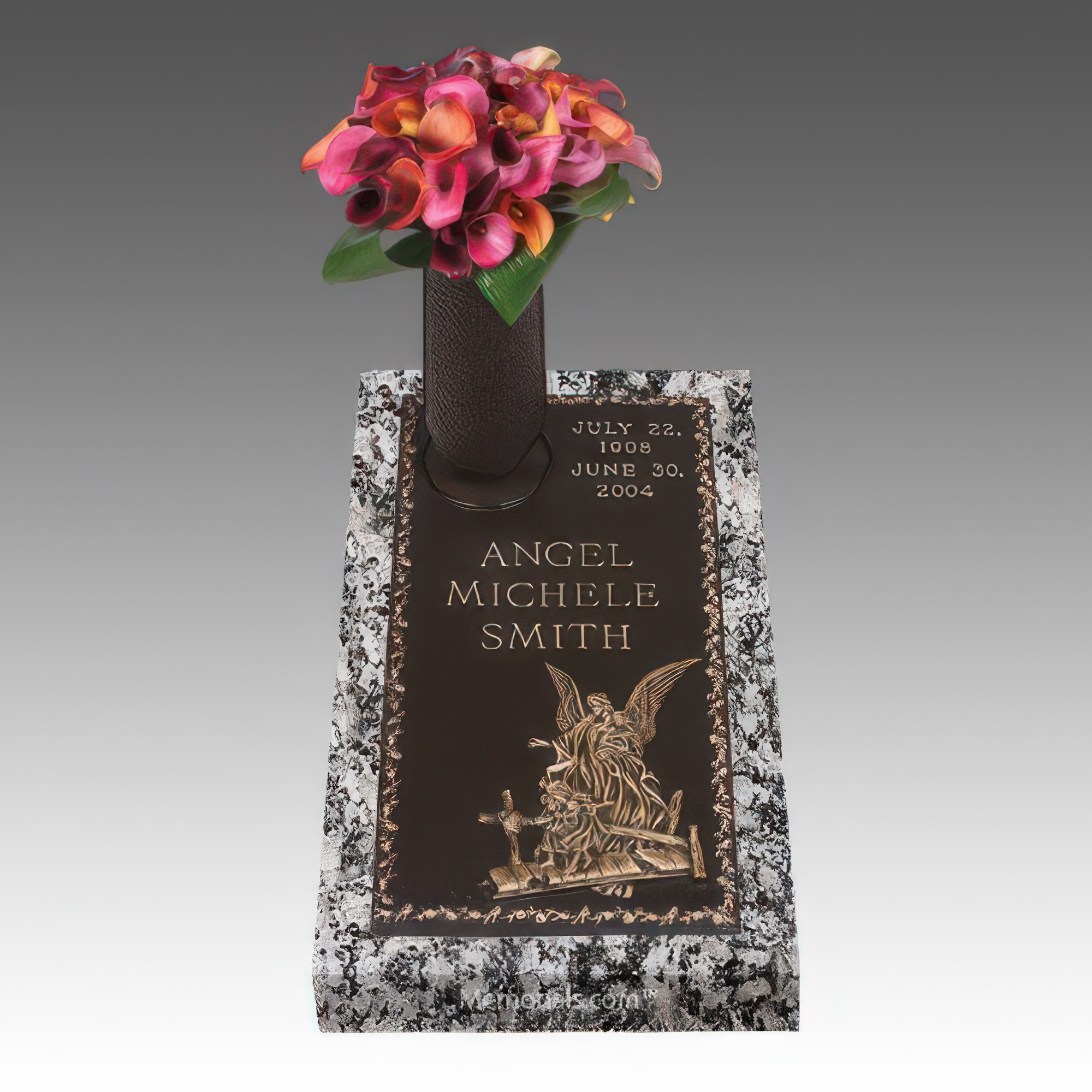
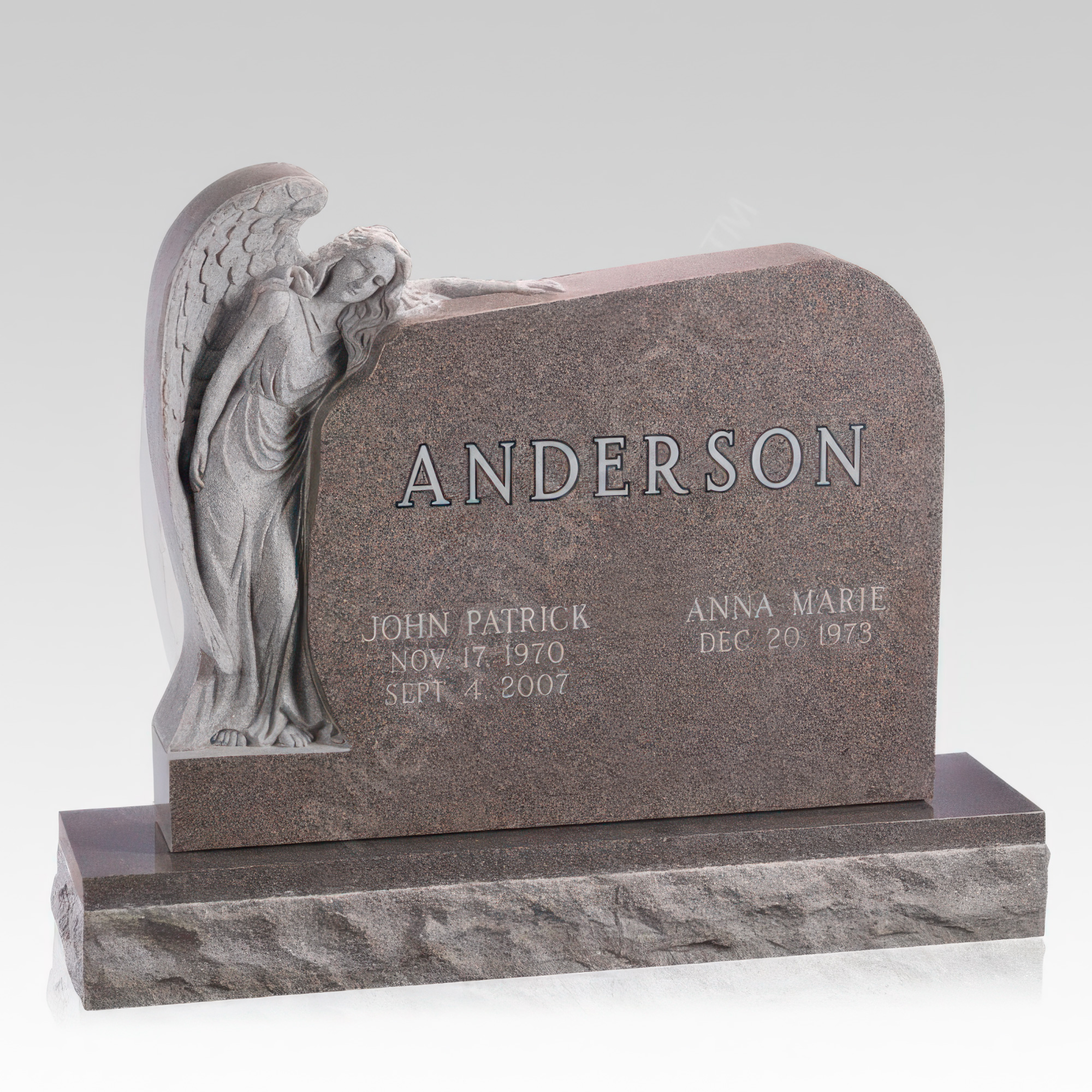
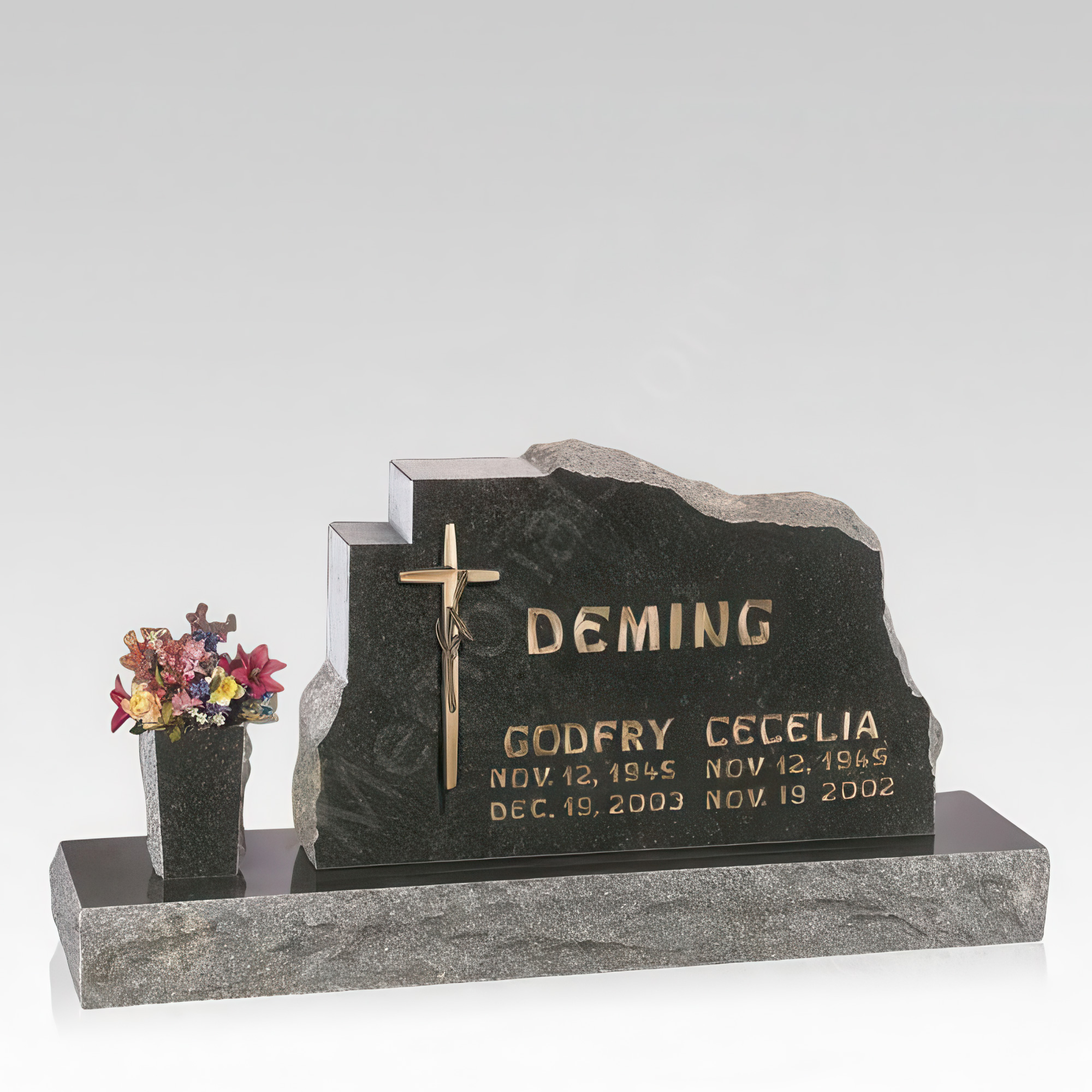
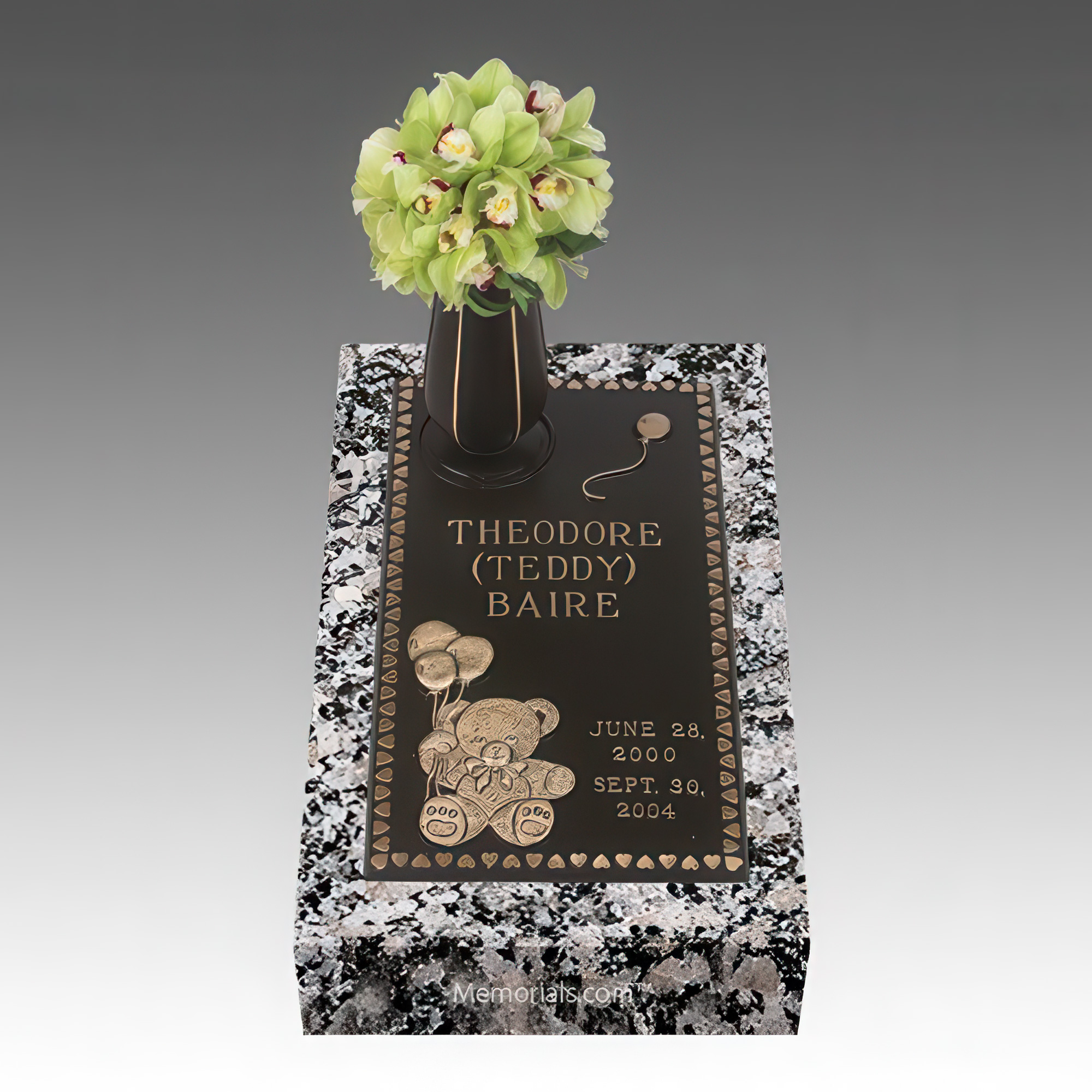
Browse Our Most Popular Headstones & Grave Markers
Handcrafted memorials to honor your loved one for eternity
Before applying any water or cleaner, examine the headstone carefully. Look for the following warning signs:
Flaking or delamination. If the stone's surface is separating into layers, cleaning could peel away more material. Sandstone and slate are especially vulnerable to this.
Cracks or fractures. A quick test is to wet the stone with clean water and watch it dry. Stress cracks will show up as wet streaks that linger while the rest of the surface dries. Deep cracks can worsen if water seeps in and freezes.
Hollow sounds. Gently tap the stone with your knuckle. A hollow sound can mean the interior is separating from the surface, which makes the stone fragile.
Loose or tilting. Check whether the headstone is stable on its base. A leaning monument could shift or fall during cleaning. If the base feels unstable, do not proceed.
If any of these conditions are present, the stone may need professional attention rather than a DIY cleaning. Understanding what headstones are made of helps you judge how delicate a particular stone is and which cleaning approach is appropriate.
Check Weather Conditions
Temperature matters when cleaning stone. Touch the headstone surface with your bare hand. If the stone is hot from direct sun, pouring cold water on it can cause thermal shock and cracking. Wait for a cooler part of the day or cover the stone temporarily to let it cool down. Likewise, never clean a headstone when freezing temperatures are expected within 48 hours. Water that seeps into pores and cracks will expand as it freezes, causing damage through freeze-thaw cycles.
The best conditions for headstone cleaning are a cool, overcast day with no rain in the immediate forecast.
Handle Plants Carefully
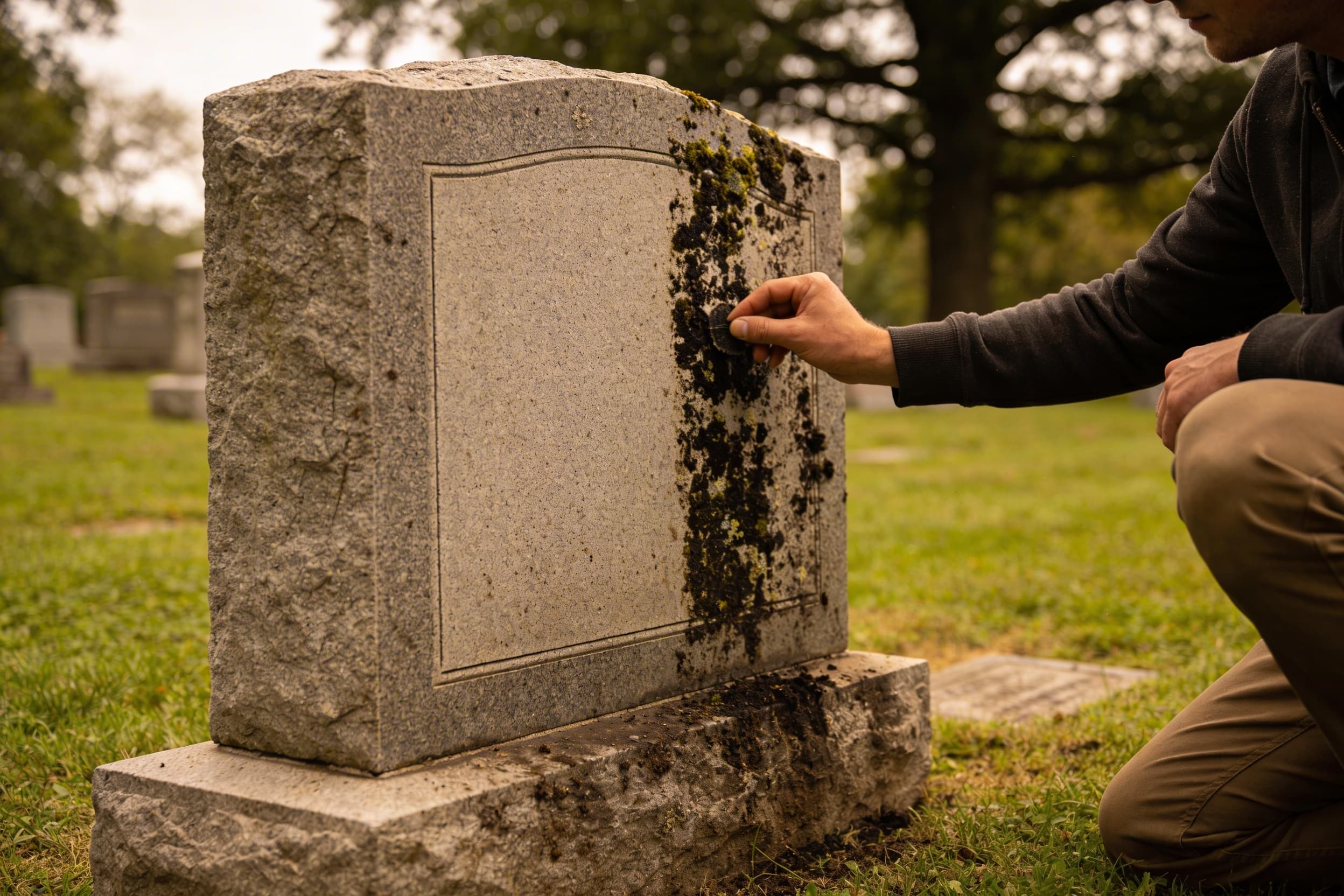
If ivy, moss, or other plants have attached to the stone, resist the urge to rip them off. Many plants develop root-like structures called holdfasts that grip the stone's surface. Pulling them forcefully can tear away pieces of the stone. Instead, clip the plant at the base and at six-inch intervals along any vines. Wait for the plant to die naturally before carefully removing the dried remains.
Cleaning Supplies You Will Need
Gathering the right tools before you head to the cemetery makes the process smoother and safer. Here is what to bring.
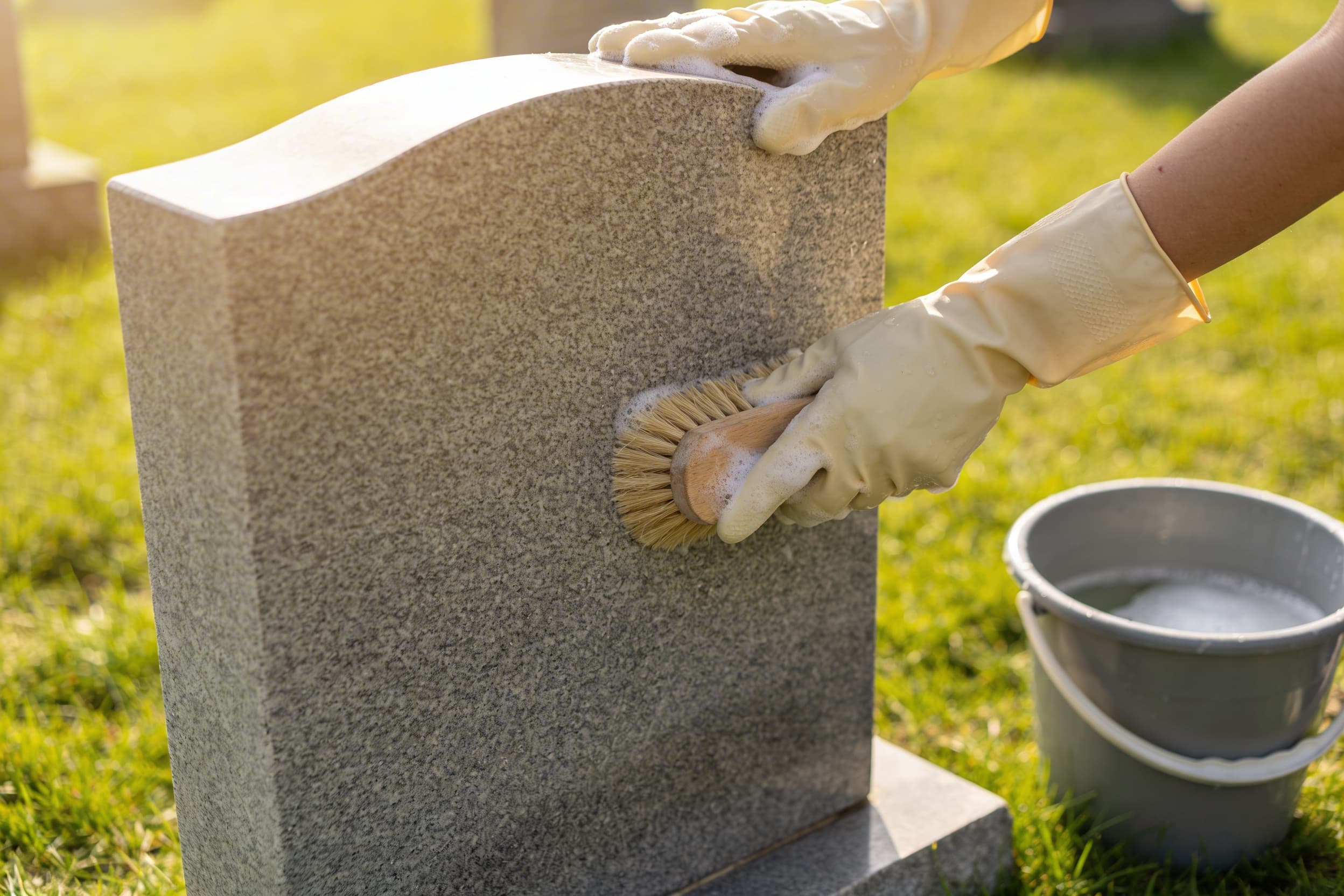
Water. Carry your own supply, since most cemeteries do not have accessible water hookups. Bring at least five gallons for a single headstone and more if you are cleaning multiple stones or a large companion monument. Distilled water is ideal because it contains no minerals that could leave residue, but clean tap water works in most situations.
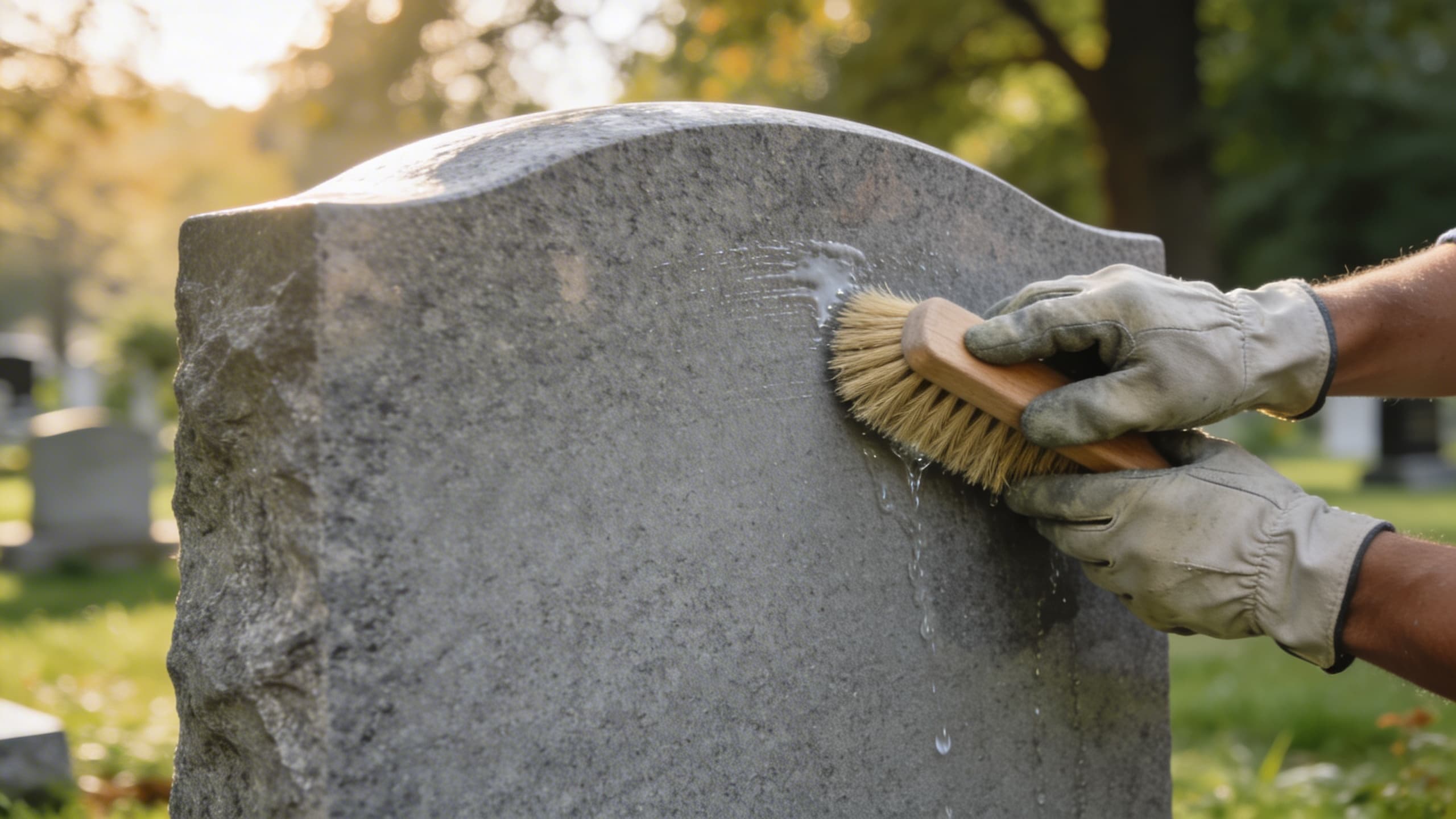
Soft-bristle brushes. Pack several sizes. A large brush with natural or nylon bristles handles broad surfaces. A smaller detail brush or an old toothbrush works well for engraved lettering and crevices. Avoid any brush with metal or wire bristles, which will scratch and gouge the stone.
Gentle scrapers. Wooden craft sticks, plastic scrapers, or popsicle sticks help loosen stubborn dirt from deep engravings without scratching. Never use metal tools on stone surfaces.
Sponges. Choose undyed sponges to prevent color transfer onto the monument. Avoid sponges with an abrasive scrubbing side, as these can be too harsh for polished surfaces.
Clean towels or cloths. Soft cotton towels or chamois cloths are best for drying. Skip paper towels, which can leave lint and are abrasive on softer stones.
Cleaning solution. For most headstones, plain water is sufficient. If a cleaning product is needed, choose one that is pH-neutral, bleach-free, and non-acidic. D/2 Biological Solution is widely recommended by preservation professionals, including the National Park Service and the Department of Veterans Affairs, for its effectiveness on biological staining without damaging stone. Another option is a simple mixture of a few drops of mild dish soap in a gallon of water.
Protective gloves. Any cleaning solution can irritate skin with prolonged contact, so wearing gloves is a good practice.
How to Clean a Headstone: Step-by-Step
Once you have inspected the stone, confirmed it is stable, and gathered your supplies, follow these steps.
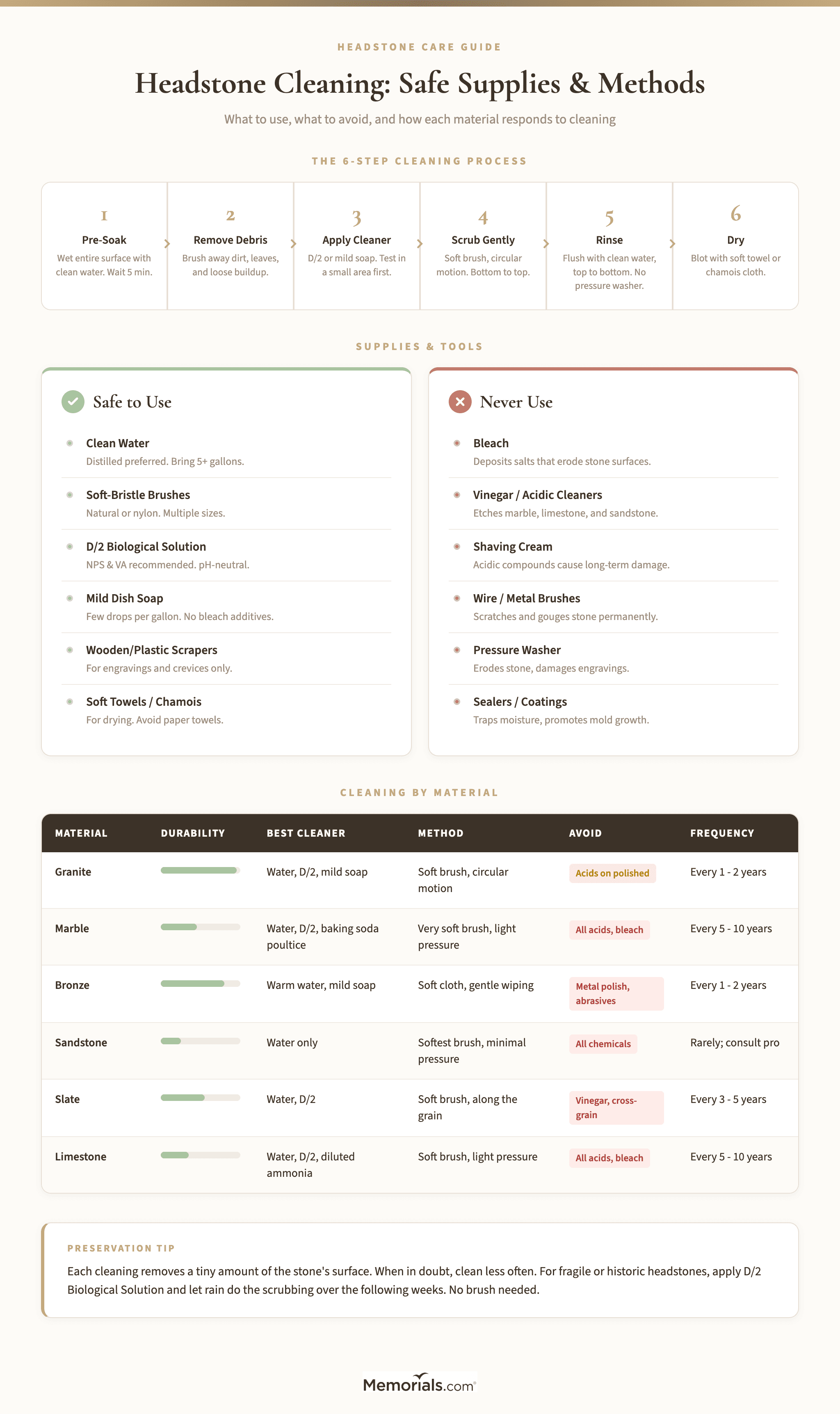
Step 1: Pre-Soak the Headstone
Thoroughly wet the entire surface of the headstone with clean water using a sponge, spray bottle, or by gently pouring water over it. Stone is porous, which means it absorbs liquid quickly. Pre-soaking fills those pores with clean water so that any cleaning solution applied afterward sits on the surface rather than being drawn deep into the stone where it could leave residue or cause staining.
Let the water sit on the surface for about five minutes before moving on.
Step 2: Remove Loose Debris
Use your soft-bristle brush to gently sweep away loose dirt, leaves, grass clippings, cobwebs, and any surface debris. Use wooden picks or plastic scrapers to carefully clear packed soil or organic matter from engraved lettering and decorative details. Work gently to avoid scratching.
Step 3: Apply Your Cleaning Solution
If water alone does not remove the soiling, apply your cleaning solution. For D/2 Biological Solution, apply it undiluted directly to the stone surface using a brush, sponge, or pump sprayer. Allow it to remain on the surface for 10 to 15 minutes, reapplying as needed to keep the surface wet. For a dish soap solution, apply sparingly with a sponge. Always test any cleaning product on a small, inconspicuous area first to confirm it does not discolor or damage the stone.
Step 4: Scrub Gently
Using your soft-bristle brush, scrub the headstone in a gentle circular motion. Work in small sections so the cleaning solution does not dry on the stone before you rinse it. Use a toothbrush or detail brush to clean inside engraved text and decorative elements. Let the bristles do the work rather than applying heavy pressure.
Clean from the bottom up. This prevents dirty runoff from the top of the stone from streaking down across already-cleaned lower sections. It also prevents dirty water from pooling in the lettering and causing staining.
Step 5: Rinse Thoroughly
Rinse the entire headstone with plenty of clean water, making sure to remove all cleaning solution residue. Leftover soap or cleaner can attract dirt and accelerate biological regrowth. Pour or spray water generously, working from top to bottom during the rinse phase to flush everything downward and off the stone.
Do not use a pressure washer. The high-pressure stream can erode stone surfaces, blast away delicate features, and force water deep into cracks where it can cause freeze-thaw damage later.
Step 6: Dry the Stone
Blot the headstone dry with clean, soft towels or a chamois cloth. Removing standing water promptly prevents mineral deposits, water spots, and potential moisture-related damage, especially in climates where temperatures drop at night.
Material-Specific Cleaning Methods
Different headstone materials have different properties. Understanding your stone's specific needs helps you avoid methods that could cause harm.
How to Clean Granite Headstones
Granite is the most durable and common modern headstone material. It is less porous than marble or sandstone and resists staining better. For routine cleaning, water and a soft brush are usually all you need. For tougher biological stains such as lichen, algae, or mildew, D/2 Biological Solution or a pH-neutral stone cleaner works well. Granite can become extremely hot in direct sunlight, and cleaning a hot granite surface with cold water can cause thermal shock. Wait for cooler conditions or shade the stone first.
For polished granite surfaces, use extra care to avoid scratching. A soft cloth or natural-bristle brush is safer than synthetic bristles on a high-gloss finish. After cleaning and drying, the surface should return to its original sheen without any additional product.
How to Clean Marble Headstones
Marble is significantly softer and more porous than granite, making it more vulnerable to damage from improper cleaning. It is also highly sensitive to acidic substances, including vinegar, lemon juice, and many household cleaners. Acid etches the marble surface, leaving dull spots and accelerating erosion.
For marble, stick to plain water and a very soft brush. If stubborn stains remain, a baking soda poultice can help. Mix baking soda with just enough water to form a thick paste, apply it to the stained area, cover with plastic wrap, and leave it for 24 hours before rinsing. D/2 Biological Solution is also safe for marble. Avoid scrubbing marble vigorously, as the surface scratches easily.
How to Clean Bronze Headstones
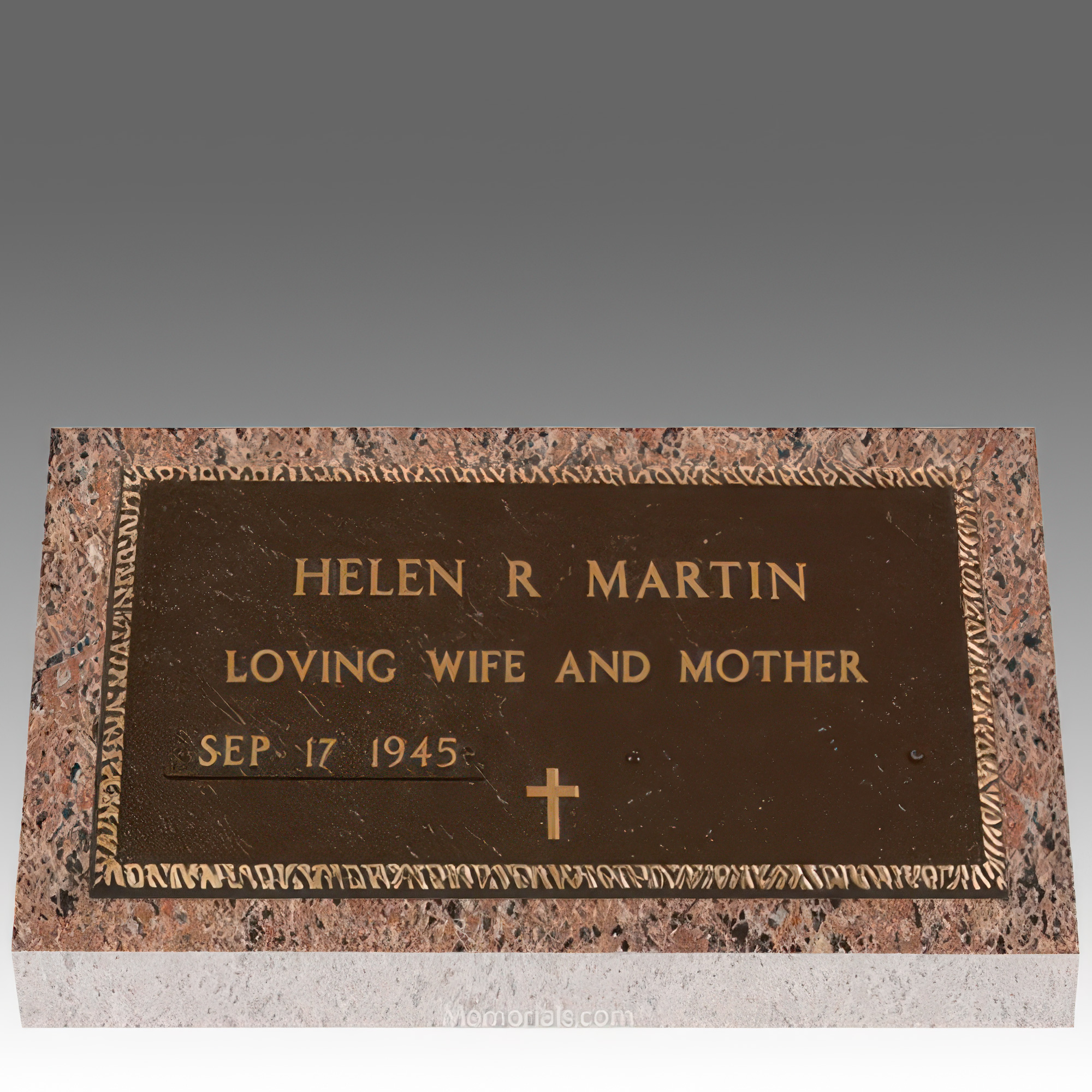
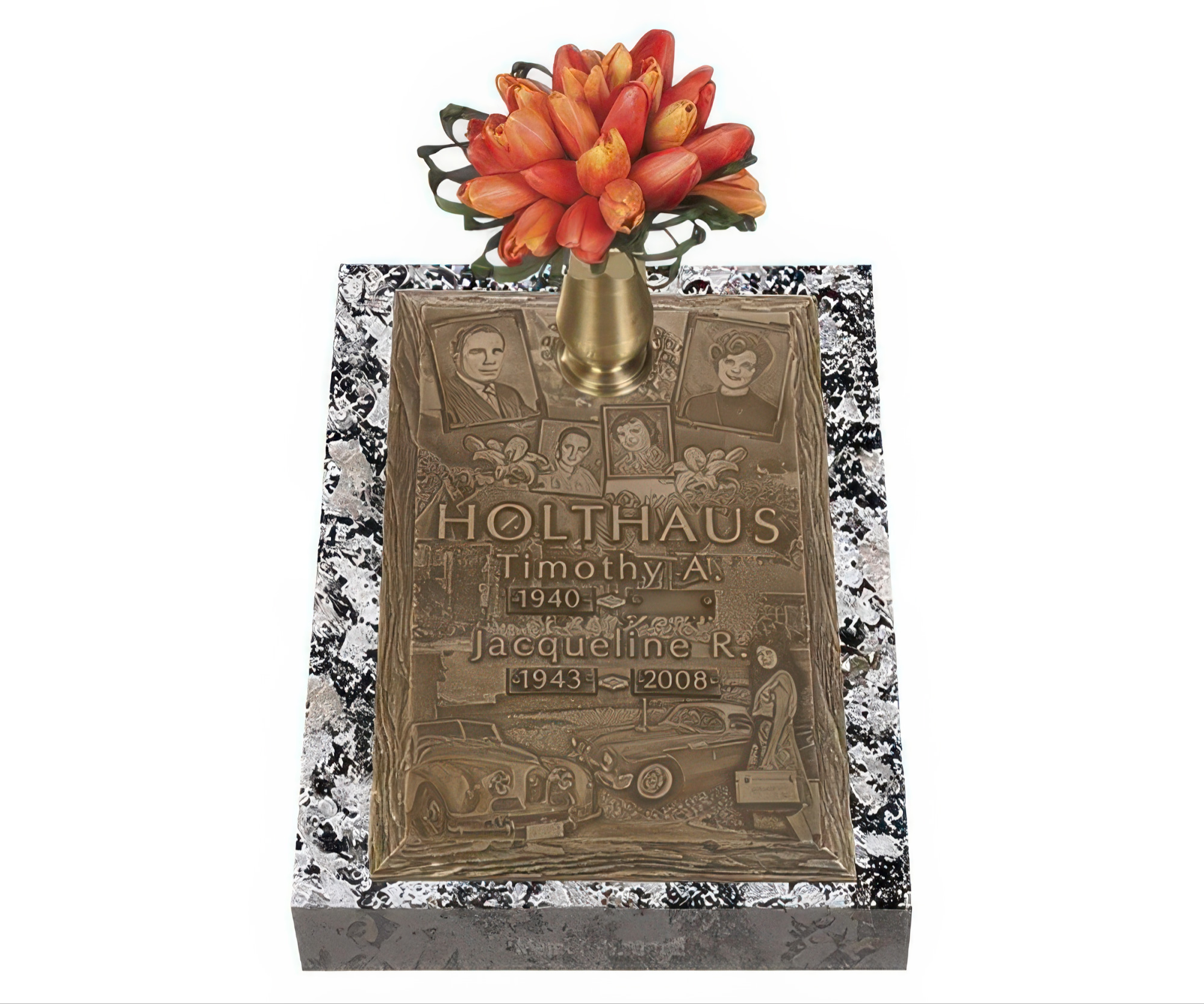
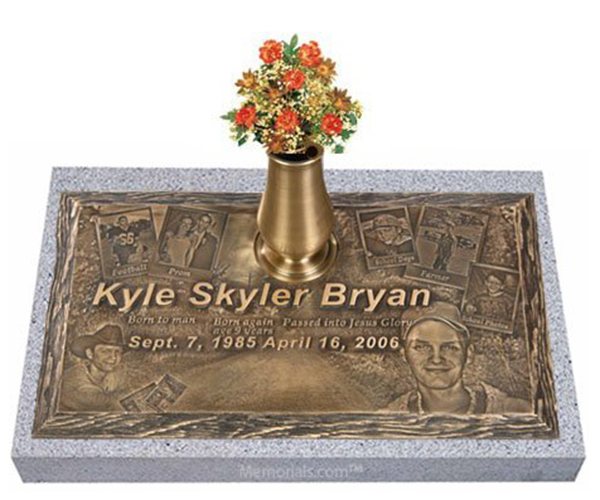
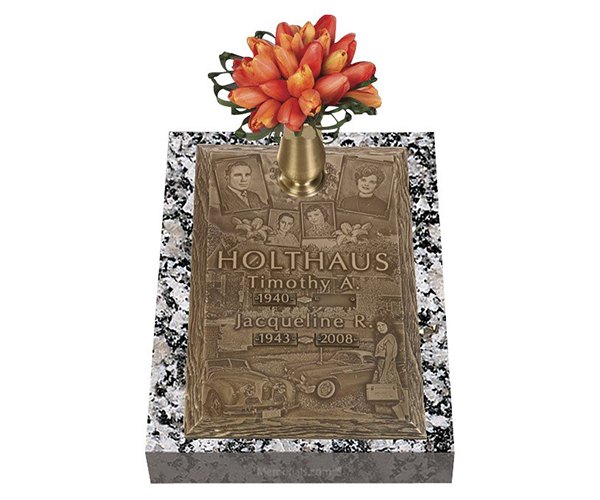
Bronze headstones and bronze flat grave markers develop a natural patina over time. This darkening is normal and actually protects the metal underneath. Do not try to restore bronze to its original bright finish, as aggressive cleaning removes this protective layer.
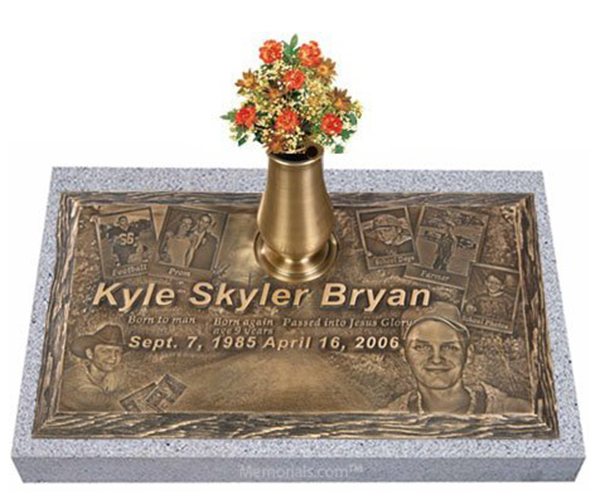
Clean bronze markers with warm water, a soft cloth, and gentle wiping. If heavy soiling is present, add a few drops of mild dish soap. After cleaning and drying, some families choose to apply a thin layer of paste wax to provide temporary protection against moisture. Buff the wax to a smooth finish once dry. Avoid using metal polish, abrasive pads, or chemical cleaners on bronze memorials.
How to Clean Sandstone Headstones
Sandstone is one of the most delicate headstone materials. It is extremely porous and prone to delamination, where layers of the stone separate and flake apart. Water alone should be your only cleaning agent for sandstone. Use the softest brush available and apply minimal pressure. Never apply chemical cleaners to sandstone, as they can penetrate deeply and cause internal damage.
If a sandstone headstone is heavily soiled, it is best to consult a professional stone conservator rather than risking further damage with aggressive cleaning.
How to Clean Slate Headstones
Slate is a relatively hard stone but can split along its natural layers. Clean slate headstones with water and a soft brush only. Unlike granite, slate does not tolerate vinegar or acidic solutions. Work gently along the grain of the stone, not against it, to prevent lifting or chipping thin layers.
How to Clean Limestone and Concrete Headstones
Limestone and concrete are both alkaline and porous. Avoid any acidic cleaners, which will dissolve the surface. A pH-neutral cleaner like D/2 or plain water with a soft brush is the safest approach. Concrete markers can sometimes be cleaned with a diluted ammonia solution (one part household ammonia to four parts water), but always test in an inconspicuous spot first.
Recommended Headstone Cleaners
Not all cleaning products are safe for headstone use. Here is what preservation professionals recommend and what to avoid.
Safe Cleaners
D/2 Biological Solution is the gold standard for headstone cleaning. It is a quaternary ammonium compound that is pH-neutral, biodegradable, bleach-free, and salt-free. The National Center for Preservation Technology and Training (NCPTT) conducted a multi-year study comparing cleaners across five climate zones and found D/2 to be the most effective at removing biological growth with the least regrowth. The Department of Veterans Affairs adopted D/2 for cleaning headstones at national cemeteries, including Arlington.
Plain water remains the safest and simplest option for routine cleaning. Most professional conservators use only water.
Mild dish soap (a few drops in a gallon of water) is acceptable for light soiling. Make sure the soap is free of bleach, ammonia, and fragrance additives.
Baking soda paste (for marble stains only) can lift discoloration when applied as a poultice.
Cleaners and Methods to Avoid
Bleach. Despite decades of common use, bleach is harmful to headstones. It deposits salts on the stone surface that draw moisture, accelerate erosion, and can cause brown staining and streaking over time.
Vinegar and acidic cleaners. Any acid, including vinegar, lemon juice, and many bathroom cleaners, will etch marble, limestone, and sandstone. Even on granite, acidic products can damage polished surfaces.
Shaving cream. Online tutorials often promote shaving cream as a quick fix to reveal faded engravings. While the immediate results can look dramatic, the acidic compounds in shaving cream penetrate the stone's pores and cause long-term chemical damage that far outweighs any short-term cosmetic benefit.
Wire brushes and metal tools. Metal bristles and scrapers scratch stone surfaces, remove protective patina from bronze, and create grooves that collect dirt and moisture. If the hardness rating of a cleaning tool is 5 or higher on the Mohs scale, it should not touch your headstone.
Pressure washers. The high-pressure stream strips away stone material, erodes delicate engravings, and forces water deep into cracks. Professional conservators never use pressure washers on memorial stone.
Sealers and coatings. Applying a sealer after cleaning traps moisture beneath the surface, which promotes mold, mildew, and mildew growth inside the stone. Headstones need to breathe by absorbing and releasing moisture naturally.
When Cleaning Is Not Enough
Sometimes a headstone's condition goes beyond what cleaning can address. Deep cracks, significant erosion, missing lettering, broken pieces, or structural instability are signs that the stone needs headstone restoration and repair rather than cleaning. A qualified stone conservator can assess the damage, stabilize the structure, and make repairs using techniques and materials compatible with the original stone.
If you are unsure whether a headstone is safe to clean, contact the cemetery office for a referral to a local conservator. Museums, historical societies, and genealogical organizations can also point you toward qualified professionals in your area.
Cleaning Headstones at the Cemetery: Practical Tips
Cleaning a headstone at the cemetery involves some logistical considerations that differ from working on stone at home.
Plan for water. Most cemeteries do not have water spigots near the gravesites. Bring water in five-gallon buckets or jugs. If you are driving, loading extra water is easier than making a second trip.
Choose the right day. A cool, overcast day is ideal. Avoid extreme heat, freezing temperatures, and windy conditions. If rain is forecast within a few hours, postpone the cleaning, as premature rinse-off reduces the effectiveness of products like D/2.
Be mindful of other visitors. Cemeteries are places of reflection. Keep noise to a minimum, be respectful of nearby gravesites, and clean up all supplies and debris before you leave.
Time it right. Early spring is a popular time for headstone cleaning because it prepares the stone for Memorial Day visits. However, any time of year works as long as weather conditions are appropriate.
Document your work. Photograph the headstone before and after cleaning. This provides a record of its condition over time and helps you track how quickly biological growth returns, which determines your optimal cleaning frequency.
How Often Should You Clean a Headstone?
Cleaning a headstone too often can actually cause harm. Each cleaning, no matter how gentle, removes a small amount of the stone's surface. For most headstones, cleaning once every one to two years is sufficient. Marble, limestone, and sandstone headstones should be cleaned even less frequently, no more than once every five to ten years, because their soft surfaces wear more quickly.
The location and environment play a role too. Headstones in shaded areas beneath trees are more prone to biological growth and may need attention more often, while headstones in dry, sunny locations may go years between cleanings.
To extend the time between cleanings, consider applying D/2 Biological Solution using the spray-and-walk-away method. Saturate the stone and let it air dry without scrubbing. Rain and natural moisture reactivate the solution over time, keeping biological growth at bay for up to a year.
Beyond Cleaning: Other Ways to Honor the Gravesite
Keeping the gravesite well-maintained goes beyond the headstone itself. Remove weeds around the base, trim encroaching grass, and clear away any debris. Many families place fresh or artificial flowers near the headstone, especially on holidays, birthdays, and anniversaries. Check with the cemetery about their decoration policies, as some cemeteries restrict certain types of arrangements or cemetery products. Adding a ceramic photo to the headstone is another meaningful way to personalize the memorial and keep your loved one's face visible for visitors.
Frequently Asked Questions
Do you need permission to clean a gravestone?
Yes. If the headstone belongs to your family, it is courteous to inform other family members before cleaning. For headstones that do not belong to your family, such as volunteer or historical cleaning projects, you must get permission from the family's descendants or the cemetery administrator. Some municipalities own the headstones and may require a formal request.
What is the best thing to clean a headstone with?
Plain water and a soft-bristle brush handle most routine cleaning. For biological staining like algae, lichen, or mold, D/2 Biological Solution is the most widely recommended product by preservation professionals. It is pH-neutral, biodegradable, and safe for granite, marble, limestone, bronze, and most other headstone materials.
Can you use vinegar to clean a headstone?
Vinegar should not be used on headstones. It is acidic and will etch marble, limestone, and sandstone surfaces. Even on granite, vinegar can damage polished finishes. Use a pH-neutral cleaner instead.
How do you clean a headstone without damaging it?
Start by inspecting the stone for cracks, flaking, or instability. Pre-soak with clean water, use only soft-bristle brushes, apply a gentle cleaning solution if needed, scrub lightly in circular motions, and rinse thoroughly. Avoid bleach, acids, wire brushes, pressure washers, and abrasive tools.
What is D/2 Biological Solution?
D/2 is a biodegradable cleaning product based on quaternary ammonium compounds. It was selected as the preferred headstone cleaner through a multi-phase study by the National Center for Preservation Technology and Training. The National Cemetery Administration and the National Park Service both use D/2 on monuments and headstones nationwide.
How do you remove lichen from a headstone?
Lichen is one of the more stubborn biological growths. Apply D/2 Biological Solution undiluted, let it sit for 15 minutes, then gently scrub with a soft-bristle brush. For heavy lichen, apply a second coat, wait another 15 minutes, and scrub again. Alternatively, apply D/2 and let it work passively over several weeks with rain and weather. Avoid scraping lichen with metal tools, which damages the stone surface underneath.
Is it bad to clean headstones with shaving cream?
Yes. Although shaving cream can produce impressive short-term results by making faded engravings temporarily readable, its chemical compounds are acidic once applied. These acids penetrate the stone's pores and cause damage that worsens over time, even if the cream is thoroughly rinsed away afterward.
Should you apply a sealer after cleaning a headstone?
No. Sealers trap moisture inside the stone, creating conditions for mold and mildew growth beneath the surface. Headstones need to absorb and release moisture naturally to remain structurally sound. Professional conservators recommend leaving the stone unsealed after cleaning.